Chandrapur Fort: All Information You Need to Visit Chanda Fort
Published: 3 Jan 2026
When I look for places that quietly tell the story of a region, I always lean toward old forts. Chandrapur Fort is one such place that I gladly recommend to travelers who enjoy history, open spaces, and simple discoveries. Also known as the Chanda Fort, set right in the heart of Chandrapur city in Maharashtra, this fort feels like a calm reminder of the city’s royal past. In this guide, I’ll walk you through everything you need to know—why the fort matters, how to reach it easily, the best time to visit, and what to see nearby.
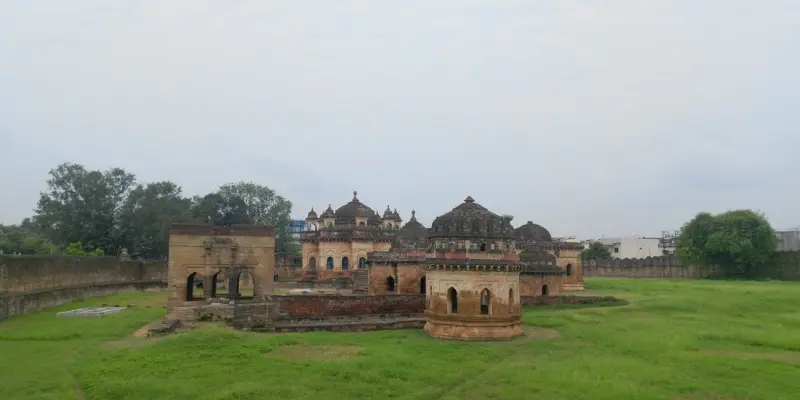
About Chandrapur Fort – A Quick Overview
When you look at Chandrapur Fort, you will see it as the historic backbone of the city. What makes it truly special is its location. The fort was built at the meeting point of two rivers—the Irai River and the Zarpat River. This natural setting once helped protect the city and made the fort an important defensive center.
Chandrapur Fort is also known locally as Chanda Fort. Unlike many hill forts in Maharashtra, this fort sits within Chandrapur city itself. I find this fascinating because daily life continues around it, while the fort quietly holds centuries of history within its walls.
The fort dates back to the Gond dynasty period. It was started by Khandkya Ballal Shah, a Gond ruler, and later completed by Dhundya Ram Shah around the late 15th and early 16th century. At that time, the fort played a key role in protecting the kingdom and controlling the surrounding region.
What Stands Out About Chandrapur Fort
- Strong stone fortification walls that once enclosed the old city
- Multiple historic gates, each leading to different parts of Chandrapur
- A strategic river-side setting, chosen carefully for defense and water access
- Remains of the old city layout, still visible in parts of present-day Chandrapur
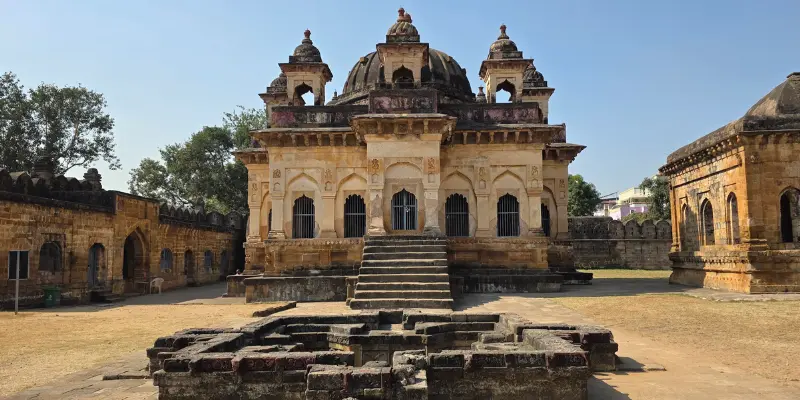
Today, much of Chandrapur Fort exists as walls, gates and foundations, rather than a single enclosed complex. Still, I feel it gives a clear picture of how large and powerful the city once was. Walking around this area helps me understand how Chandrapur grew from a fortified town into the modern city it is today.
History of Chandrapur Fort (Simple & Engaging)
When I look into the history of Chandrapur Fort, I don’t just see stones and broken walls. I see the story of a powerful kingdom that once ruled this land with pride. The fort is closely linked to the Gond dynasty, which played a major role in shaping the early history of Chandrapur and the surrounding Vidarbha region.
Gond Dynasty Roots – How It All Began
The Gond rulers laid the foundation of Chandrapur. Many centuries ago, this region was ruled by the Gond kings, a strong tribal dynasty known for building forts and planned cities. Among them, Khandkya Ballal Shah stands out as the most important figure in Chandrapur’s story.
He decided to move his capital from Sirpur to a new location near the rivers. This decision led to the birth of Chandrapur as a fortified city. I feel this choice was smart, as the rivers offered both protection and a steady water supply.
Building Chandrapur Fort – A Multi-Generation Effort
The construction of Chandrapur Fort did not happen overnight. It began during the reign of Khandkya Ballal Shah in the late 15th century. After his death, the work was continued and completed by his son, Dhundya Ram Shah, in the early 16th century.
The fort was built on a grand scale. High stone walls were raised around the city, stretching for several kilometers. These walls were strong and wide, designed to defend the capital from enemy attacks. I find it impressive that such massive structures were created with the tools and skills available at that time.
Gates, Walls and Life Inside the Fort
What makes Chandrapur Fort different from many other forts is its layout. It was not just a military post. It was a living city enclosed by walls. The fort had large entrance gates facing different directions. Each gate connected the city to important trade routes and nearby settlements.
Inside the fort walls, people lived their daily lives. There were homes, markets and public spaces. I like to imagine how busy the area must have been, with traders entering through the gates and locals moving around freely under the protection of the fort.
The End of Gond Rule and Changing Powers
Like everything in the world, the Gond rule did not last forever. Over time, internal conflicts and external pressure weakened their control. In the 18th century, the Maratha rulers of Nagpur, known as the Bhonsles, defeated the last Gond king, Nilkanth Shah. This marked the end of Gond rule in Chandrapur.
Later, during the British period, Chandrapur came under colonial control. The fort gradually lost its military importance, and parts of it fell into neglect as the city expanded beyond the old walls.
Why This History Still Feels Important Today
When I read about Chandrapur Fort, I feel it represents more than just the past. It tells the story of how a city was planned, protected, and ruled for centuries. Even though much of the fort now exists in fragments, its history still shapes the identity of Chandrapur.
Architecture & Layout of Chandrapur Fort
When I explore heritage sites, I always pause to admire how they were built and how they were used. Chandrapur Fort doesn’t sit on a hill or plateau like many other forts in Maharashtra. Instead, it rises from the flat land of the city, and its stone walls and gates tell the story of both defense and everyday life long ago. The fort is also set near the Irai and Zarpat rivers, which once protected it naturally on both sides.
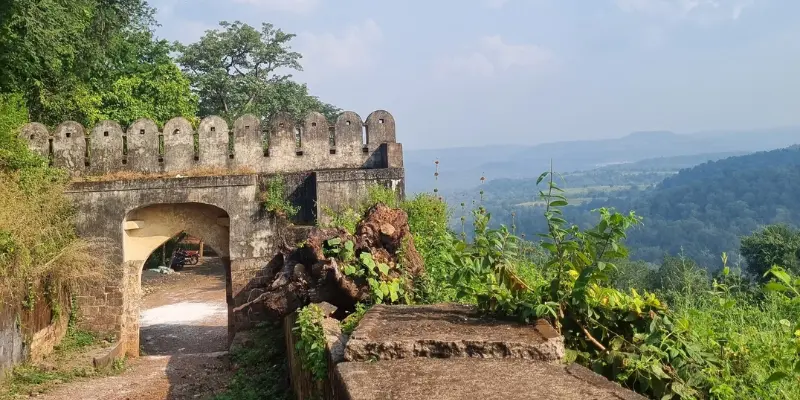
Fort Walls, Gates & Bastions
The first thing I notice about Chandrapur Fort is its strong stone walls. These walls are about 15–20 feet high, and they once circled the entire city, creating a wide, fortified space that served as both defense and boundary.
What really makes this fort interesting are the main gates and smaller entrances, each with its own character. I like to think of these gates as doors into different stories of the fort:
- Jatpura Gate (North): One of the main entrances connecting the fort to northern routes.
- Anchaleshwar Gate (East): Facing outward toward the countryside.
- Pathanpura Gate (South): Known for its sturdy stone frame and subtle decorative work.
- Binba Gate (West): Balanced the directions and completed the fort’s access points.
- Khidkis (Small Gates): Smaller openings such as Bagad Khidki, Hanuman Khidki, Vithoba Khidki, Chor Khidki, and Masan Khidki, which allowed people to move around without using the larger gates.
Since the fort formed the old city boundary, the walls also had guard chambers and small watch posts. These helped defenders keep an eye on the surroundings and gave the fort a strong, commanding presence that still impresses visitors today.
Inside Chandrapur Fort – What to Look For
When you walk along the fort area, you will not see big palaces or grand halls because most of those inner structures have long disappeared. But the remaining walls, gateways, and open spaces let you imagine how the old city must have looked.
Here’s what I pay attention to:
- Ruins of old buildings and rooms: Once used by soldiers or city officials.
- Wide inner courtyards: Likely served as meeting or market spaces long ago.
- Decorative carvings and stonework: Especially around some of the gates, showing the craftsmanship of the Gond builders.
- Steps leading to ramparts: These take you up along the walls, offering a better view of the fort and the surrounding city.
I love to take my time here, noticing the textures of the stone and imagining the bustling life the fort once protected. You will see how the fort walls blend naturally into the rhythm of the city rather than standing apart like a lonely monument.
Rivers Around the Fort
One of the most striking features of Chandrapur Fort is its location near two rivers—the Irai River and the Zarpat River. These rivers weren’t just scenic; they acted as natural defense barriers, making it harder for attackers and adding another layer of protection to the fort.
I like to imagine the rivers during the monsoon, swelling and shaping the land around the fort. Today, they still add a peaceful, scenic atmosphere, making a walk along the fort walls feel calm and refreshing.
Exploring Chandrapur Fort’s architecture made me feel closer to history—not as a static museum, but as a living city of the past. You can picture walking along these walls and imagining life hundreds of years ago.
Location & How to Reach Chanda Fort
I like to start my trips by figuring out how easy it will be to get to the place. When it comes to Chandrapur Fort, you’ll be happy to know it sits right in the heart of Chandrapur city in eastern Maharashtra. That means once you are in town, the fort is easy to explore without long drives or tough trekking.
Chandrapur is well connected to major cities across India, making it a convenient stop if you’re touring Maharashtra.
📍 Where the Fort Is
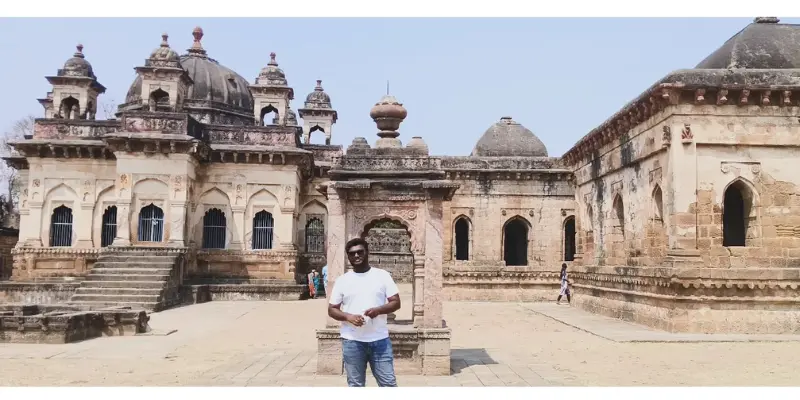
Chandrapur Fort is located inside the city, unlike many other forts that sit atop hills or remote areas. I love this because you can reach it without a long walk, and you also get to enjoy the everyday life of the city while exploring the old walls and gates.
🛣️ How I Recommend Getting to Chandrapur Fort
Here are the details to get there.
By Air
The nearest airport is Dr. Babasaheb Ambedkar International Airport in Nagpur, about 150 km away. From there, you can take a taxi or a bus to reach Chandrapur. You can also arrange a private transfer in advance—it’s easy and saves time.
This airport works well if you are coming from distant cities like Delhi, Mumbai, or Bengaluru.
By Train
For me, taking a train to Chandrapur is comfortable and convenient. The Chandrapur Railway Station is connected to major cities such as Nagpur, Hyderabad, and Mumbai.
Once the train stops at Chandrapur, the fort is just a short drive away. Take an auto‑rickshaw or a local taxi to reach gates like Jatpura or Anchaleshwar Gate.
By Road
If you enjoy road trips, Chandrapur is well connected by national and state highways. Regular buses run between Chandrapur and cities like Nagpur, Hyderabad, Pune, and Mumbai.
Always check both state transport and private buses—they are frequent and comfortable. Once you reach Chandrapur bus stand or city centre, it’s just a short auto or taxi ride to the fort.
Local Transport Tips
Once you are in Chandrapur city:
- Auto-rickshaws are easy to find and perfect for short distances.
- Local taxis are comfortable if you want a smooth ride.
- Walking around the fort area is pleasant, especially in cooler months.
Because the fort is so close to the city centre, exploring it is simple and stress-free. A short ride from the railway station or bus stand brings you right to the historic gates and walls.
Chandrapur Fort Timings, Entry Fee & Visiting Information
I always check timings and entry details before planning a visit. For Chandrapur Fort, the great news is that it’s easy to explore and doesn’t require a formal ticket. The fort area is open to visitors with relaxed rules, so you can wander at your own pace without worrying about strict schedules.
Opening Hours
I love how flexible the timing is here. Chandrapur Fort is open throughout the day, and there’s no official closing time. You can explore the fort walls and gates from early morning until the evening light fades.
Ideal visiting window:
- 9:00 AM to 5:30 PM — Comfortable for walking in daylight
- Early morning or late afternoon — Perfect for soft lighting and cool weather
Avoid visiting very late in the evening since the fort area doesn’t have built-in lighting. Exploring around sunset is my favorite—it gives the walls a warm glow and makes for great photos!
Entry Fee
Here’s the best part—there’s no entry fee. Whether you are visiting from India or another country, you can explore Chandrapur Fort for free.
- Indian visitors: Free
- Foreign visitors: Free
- Children: Free
Since there’s no ticket booth, you can simply walk in. I always remind myself to be respectful of the space and the locals living nearby.
How Much Time You Need
Spend about 1–2 hours at the fort, depending on how much you want to explore. Some travelers take longer if they stop at each gate, admire the walls, or stroll along the old pathways that trace the fort’s edges.
Here’s a simple guide:
- 1 hour: Quick walk around the main areas
- 1.5–2 hours: Includes photos, small breaks, and a slow walk along the walls
- Half day: If you combine it with nearby temples, local markets, or a riverside stroll
Visiting Tips I Love to Follow
- Go during daylight — It’s safer and more enjoyable.
- Wear comfortable shoes — The ground is uneven in some areas.
- Carry water — There are no shops inside the fort area.
- Respect the site — It’s a quiet historic spot inside a busy city.
Because the fort feels more like ancient city walls than a museum, I love exploring freely and even chatting with locals who often share small stories about its history.
Best Time to Visit Chandrapur Fort
Always plan your trips around weather and comfort, because it makes every part of the visit more enjoyable. For Chandrapur Fort, timing matters a lot—especially since this region has hot summers, distinct monsoons, and cool winters. The best time to explore the fort is when the weather is pleasant and walking around historic walls feels relaxed, not exhausting.
Winter Season – My Favourite Time (October to March)
This is hands down the best time to visit Chandrapur Fort. The weather from October to March is mostly cool and dry, with comfortable daytime temperatures and fresh mornings. I find walking around the fort gates and walls so much nicer in this season because the sun isn’t too harsh. It’s also a great time to explore nearby visiting places, open‑air markets, and riverside spots without breaking a sweat.
- ☀️ Daytime: Pleasant and easy for sightseeing
- 🌙 Evenings: Cooler and perfect for relaxed strolls
- 🧥 Recommended clothing: Light jacket or sweater for mornings and evenings
This period also works well if you want to combine the fort visit with a trip to Tadoba Andhari Tiger Reserve nearby, because wildlife sightings are easier in pleasant weather.
Summer Season – Hot and Dry (March to May)
If you travel between March and May, be ready for intense heat. Chandrapur sees hot and dry weather in summer, with daytime temperatures often climbing above 40 °C. Walking around the fort walls in this heat can feel tiring, especially in the midday sun.
- 🔆 Temperature: Very hot
- 🥵 Outdoor exploring: Best avoided in midday hours
- 🚗 My tip: Start early in the morning and take breaks in shaded spots
Because of the heat, I only recommend summer visits if you are used to hot weather and ready with plenty of water and sun protection.
Monsoon Season – Green and Lush (June to September)
The monsoon season brings seasonal rains to Chandrapur from June to September. The rain can transform the region into fresh, green countryside, and I do find the idea charming. But heavy rain and sometimes poor road conditions can make outdoor visits less comfortable. Walking around the fort can be slippery or muddy during heavy downpours, so I usually avoid this season for heritage visits.
- 🌿 Landscape: Lush and green
- ☔ Exploration: Can be disrupted by rain
- 👣 Advice: Pack rain gear if you go in monsoon
My Take on Seasonal Travel
- 🏆 Best overall: August to March — cool, gentle weather that makes exploring fun
- ☀️ Summer: Tough midday heat — go early or late only
- 🌧️ Monsoon: Beautiful scenery, but your plans might get wet
Always check the weather forecast before heading out because even in the best months, a sudden rain or heat wave can change plans. But if you plan your visit between late autumn and early spring, you’ll enjoy Chandrapur Fort at its best. ☺️
What Places I Suggest to Visit Near Chanda Fort
After exploring Chandrapur Fort, I like to stretch my legs and see what the surrounding city has to offer. Chandrapur has a mix of historic gates, peaceful lakeside spots, and lively city landmarks that are perfect for short walks or gentle explorations. These places are all close to the fort, easy to reach on foot or by a short tuk‑tuk ride and give you a broader view of local life and culture. Let’s look at a few lovely spots I recommend!
Chhota Singapore
Distance From City (Chandrapur Fort): ~1 km
Total Travel: About 10–15 minutes by foot or auto
I was curious when I first heard the name, and Chhota Singapore is exactly the kind of local gem that sparks my imagination. It’s a relaxed lakeside area on Ramala Talav Road where locals hang out for a walk or to enjoy the breeze. The place has earned the name Chhota (Little) Singapore because of its pleasant lakeside vibe and the way people enjoy evenings here. It’s open all day, so you can stop by at any time that fits your itinerary.
The spot isn’t just about the lake. I’ve noticed families and friends take gentle strolls here, while others use it as a peaceful stop after exploring the fort. The setting works well for photos, quiet conversations, or a short break from sightseeing before you explore the rest of the city.
Highlights Or Things to Do
- Enjoy a peaceful lakeside stroll and take in the reflections of the sky.
- Relax on benches or open grass spots with a cool drink.
- Snap some photos of the water and city skyline at sunset.
What to Eat & Where to Stay on Visit
- Nearby street food stalls offer snacks and chai in the evening.
- Cafes and restaurants on the Ramala Talav Road serve local favourites.
- There are comfortable guest houses and hotels a short ride away near Chandrapur Fort and city centre.
Trip Plan From Chanda Fort
Start at the fort, walk or take an auto south toward Ramala Talav Road. After 10–15 minutes, you will reach the lakeside. I like to pause here before heading to the city market or other gates.
My Travel Notes & Best Time
I find late afternoon to early evening lovely here, when the sun softens and locals gather for walks. Weekends can be busier, so a weekday visit feels calmer. The lake area is open day and night, but best enjoyed before dark.
Jatpura Gate
Distance From City (Chandrapur Fort): ~0.5 km
Total Travel: Around 5–10 minutes by walk
When I talk about historic landmarks in Chandrapur, Jatpura Gate always comes up first. This gate was one of the main entrances to the old city and still marks the boundary between the historic fort area and the busy urban streets today. The structure lives in the middle of modern roads and market life, which makes it feel very alive rather than a distant relic.

I love the way this gate blends old and new. In the early morning or evening, it feels almost ceremonial as city life hums around it. Locals call it a symbol of the old Gond city, and you’ll see it beautifully decorated during festivals.
Highlights Or Things to Do
- See the historic gateway structure close up.
- Combine a visit with a light walk through the nearby market streets.
- Catch lovely views of city life mixing with heritage.
What to Eat & Where to Stay on Visit
- Street stalls and small eateries around Jatpura Gate offer local snacks and chai.
- For a longer stay, hotels and guesthouses near the fort are just a short walk away.
Trip Plan From Chanda Fort
From the fort, I love to walk east toward Ramala Talav Road, passing through busy city lanes filled with shops, until I reach the Jatpura Gate. It’s an easy, lively stroll full of local colour.
My Travel Notes & Best Time
I like visiting early morning or late afternoon when traffic is lighter and the gate looks best in soft light. Weekdays feel more relaxed than weekends.
Binba Gate
Distance From City (Chandrapur Fort): ~1 km
Total Travel: About 10–15 minutes on foot or by auto
Binba Gate was another important entrance to the old fort city, facing west and once guarding travelers and traders entering from that direction. Today, it stands as a quieter historic spot, tucked away near less dense parts of the city close to the Erai River banks. The walls here still show carvings and emblems from the Gond era, reminding me how grand the city’s defense and planning once were.
I like coming here because it feels more peaceful than the central gates, with fewer vehicles and crowds. It’s a perfect place for some reflective moments and photography, especially in morning or sunset light.
Highlights Or Things to Do
- Explore a quiet historic gate with carvings and old stone work.
- Enjoy the calm near the boundary of the old fort and river area.
- Take photos and imagine the wide fort circles from centuries ago.
What to Eat & Where to Stay on Visit
- Local eateries nearby serve good snacks and chai.
- Stay options are similar to other spots — close to the fort or city centre.
Trip Plan From Chanda Fort
I like to walk from the fort along the old wall path toward the Erai River side until I reach Binba Gate. It’s a pleasant walk, especially in cooler weather.
My Travel Notes & Best Time
I recommend visiting early morning or late afternoon here to enjoy a quieter, calmer atmosphere and softer light for photos.
Ideal Itineraries I Recommend for Chandrapur Fort
Planning your visit around Chandrapur Fort and nearby attractions can turn a simple trip into a memorable mini-adventure. Since Chandrapur has both heritage sites and wildlife spots nearby, I like to mix history, nature and a bit of relaxation into my itineraries. Below are a few itinerary options — whether you have a half-day, a full day, or a two-day trip (especially if you want to include Tadoba Andhari Tiger Reserve along with the fort).
Half‑Day Chandrapur Fort Visit Plan
This plan works best if you arrive mid‑morning or have only a short time in town.
Morning Start
- 8:30 AM: Reach Chandrapur Fort, stroll along the ramparts.
- 9:30 AM: Explore Jatpura Gate and nearby market areas.
- 10:00 AM: Walk or take a short auto ride to Chhota Singapore for a lakeside break.
Mid‑Morning Finish
- 11:00 AM: Visit Binba Gate for calm photos and reflection.
- 11:30 AM: Head back to town for lunch or onward travel.
Why this works: Easy walkable loop around the fort and lakeside spots. No rush, relaxed pace.
One‑Day Chandrapur City Tour
This is my favourite when you want history and local life in one day.
Morning
- 8:00 AM: Chandrapur Fort — start early to enjoy soft morning light on the walls.
- 9:30 AM: Jatpura Gate — take photos and walk the old market lanes.
Midday
12:30 PM: Lunch at a local restaurant — try a Maharashtrian thali or street snacks.
Afternoon
- 2:00 PM: Head to Chhota Singapore — a calm lakeside break.
- 3:00 PM: Visit Binba Gate.
- 4:30 PM: Relax at Irai Lake or a city café before sunset.
Why this day works: You see heritage, culture, food and leisure spots without rushing.
Two‑Day Explorer Plan — Fort + Wildlife Safari
If you are in Chandrapur and want a mix of history + adventure, this is my recommended plan.
Day 1 — Heritage & City Life
- Morning: Start early at Chandrapur Fort.
- Late morning: Visit Jatpura Gate, Binba Gate, and Anchaleshwar Temple.
- Afternoon: Enjoy local lunch and a café break.
- Evening: Chhota Singapore for sunset and peaceful views.
Day 2 — Tadoba Andhari Tiger Reserve Safari
- Early Morning (5:30–6:30 AM): Drive to Tadoba Andhari Tiger Reserve (about 45 km from Chandrapur).
- Morning Safari: Morning wildlife drive — best for tiger and wildlife sightings.
- Late Morning: Return for a relaxed lunch nearby.
- Afternoon Safari / Rest: Either take an afternoon safari or enjoy the resort surroundings.
- Evening: Return to Chandrapur or stay at a nearby safari resort.
Why this works: You combine city heritage with thrilling wildlife experience. Tadoba is one of India’s most respected tiger reserves, rich in biodiversity and beautiful landscapes.
Tips to Maximize Your Time
- Start early — Chandrapur gets warm by midday, and safaris are best at sunrise.
- Book safaris in advance — slots fill quickly, especially in peak season.
- Wear comfortable shoes — you’ll walk on uneven paths at the fort and around lakes.
- Carry water and a hat — important during hot months.
What to Eat Around Chandrapur Fort
Here is what I like to eat.
Restaurants and Local Bites I Recommend
- TADKA HOUSE – A popular local restaurant with tasty Indian food at reasonable prices. Great for lunch after fort exploration.
- The Momo-licious – Best spot for momos and quick snacks in town — perfect for a light evening bite.
- Curry tales Chandrapur – A hidden gem for Mughlai and grilled dishes, close to the heritage zone.
- RASRAJ (nagpur road branch) – Well‑liked North Indian restaurants with familiar flavours and comfort meals.
- Lakeside Chills – A cosy place near Ramala Talav Road — lovely for dinner or evening coffee by the water.
- Dezzerto Chandrapur – Great sweet treats, ice creams, and desserts after a long day of sightseeing.
- Shivvbaa idli & The Dosa Wala – Classic South Indian breakfast options if you plan an early start at the fort.
- Veg Junction – A big favourite with vegetarians and groups looking for a sit‑down meal.
- Other good casual spots: थापा मोमोज केंद्रं, Uttam dhaba Since 1978, ZORKO Brand of Food Lovers – Chandrapur, and Spice Mantraa for multi‑cuisine lunches or dinners.
My foodie tip: After visiting the fort in the morning, I like starting with a South Indian breakfast at Shivvbaa idli, followed by a heavier lunch at TADKA HOUSE or Veg Junction. In the evening, Lakeside Chills is lovely for snacks, drinks, or a relaxed meal near the water.
Where to Stay Near Chandrapur Fort
Chandrapur has a nice range of hotels, from comfortable mid‑range stays to budget‑friendly options. Most places are a short auto ride from the fort and convenient for exploring the city.
Comfort & Mid‑Range Stays
- The ND Hotel — One of the best‑reviewed stays in town, close to Nagpur Road with easy access to food and sites.
- Hotel Siddharth Premiere — Clean, spacious rooms and great service near the main roads.
- Enrise by Sayaji — Well‑liked for its comfort and good value, ideal after a long day of walking.
- Western Hotel — Reliable and comfortable choice near shopping and dining zones.
- HOTEL LOTUS & HOTEL VYANKATESH — Good mid‑range options with easy access to the fort and local markets.
Budget & Value Options
- Treebo Risha & Treebo Royal, Chandrapur — Friendly budget stays with clean rooms and essential facilities.
- Hotel Risha, Hotel Palace, and Hotel City Center — Good for travelers who want reliable basics close to the city heart.
- Quirky budget picks: SPOT ON Hotel Royal Inn or Hotel O Friends Stay if you are travelling light or on a tight budget.
My stay tip: I like staying near Nagpur Road or Civil Lines, because these areas have easy access to both food and sightseeing routes. If you want quieter nights, the spots slightly away from the main road can be more peaceful.
Conclusion
So guys, in this article, we have covered “Chandrapur Fort”, also known as Chanda Fort, in detail. If you love walking through history and imagining the lives of ancient city dwellers, this fort is a must-visit. I personally recommend starting early in the morning to enjoy the walls, gates, and riverside views before the day heats up. Don’t just read about it — pack your bags, explore the fort, and share your adventure with fellow travelers!
Frequently Asked Questions About Chandrapur Fort
Here is the list of FAQs:
I recommend visiting Chandrapur Fort between October and March. The weather is cool and pleasant, perfect for walking along the fort walls and exploring nearby gates. Avoid the hot summer months if you prefer comfortable sightseeing, and the monsoon can be slippery but offers lush green surroundings.
Chandrapur Fort is easily accessible by road from Chandrapur city center. You can take an auto-rickshaw, taxi, or even walk if you are staying nearby. The fort is well-connected from Nagpur, with the city being around 150 km away by car or train.
The fort is open daily from 8:00 AM to 6:00 PM, and entry is free for all visitors. This makes it perfect for a morning or afternoon stroll, whether you’re a history buff or just want to enjoy scenic views.
Inside the fort, I suggest checking out the historic walls, Jatpura Gate, Binba Gate, and smaller khidkis. Don’t miss the view of the Irai and Zarpat rivers from the ramparts. Walking through the ruins, you can imagine life in the old Gond city while enjoying peaceful city views.
There aren’t formal guided tours but local guides are available nearby who can explain the fort’s history and architecture. I often recommend hiring a local guide for 1–2 hours to get interesting stories and historical context you won’t find on plaques.
After exploring the fort, I suggest visiting Chhota Singapore, a calm lakeside spot, and the historic gates like Jatpura Gate and Binba Gate. These are short walks from the fort and perfect for photos, relaxing strolls, or sampling local snacks.
For food, I recommend TADKA HOUSE, Lakeside Chills, and Veg Junction for local meals and snacks. For stays, The ND Hotel, Hotel Siddharth Premiere, and Enrise by Sayaji are great mid-range options, while Treebo Risha or Hotel Palace are perfect if you’re on a budget.






- Be Respectful
- Stay Relevant
- Stay Positive
- True Feedback
- Encourage Discussion
- Avoid Spamming
- No Fake News
- Don't Copy-Paste
- No Personal Attacks
- Be Respectful
- Stay Relevant
- Stay Positive
- True Feedback
- Encourage Discussion
- Avoid Spamming
- No Fake News
- Don't Copy-Paste
- No Personal Attacks
