Exploring the Top Tourist Places to Visit Near Guwahati Within 200 Kms
Published: 17 Feb 2026
Guwahati is like a doorway to some of the most beautiful corners of Northeast India. Within just 200 kilometers, you can reach misty hills, green forests, peaceful riversides, and wildlife parks that feel like a different world. And the best part is most of these places are perfect for short trips — even a quick weekend escape feels refreshing here. In this guide, I’m sharing my personal favorite places to visit near Guwahati within 200 kms, along with simple travel tips that make every trip smoother and more enjoyable.
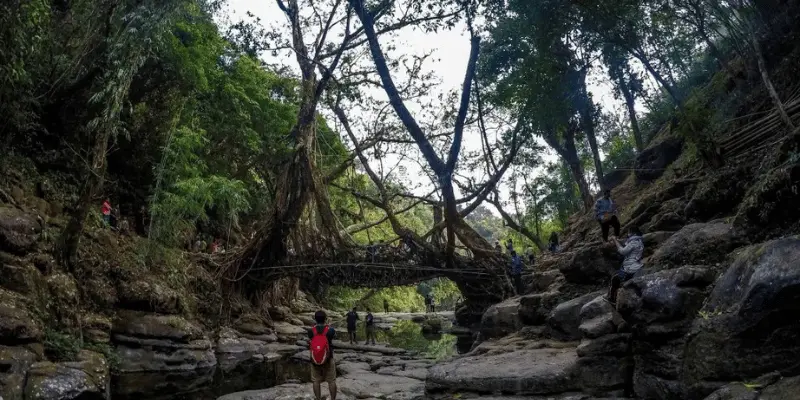
Table of Contents
Nature & Scenic Spots Near Guwahati
I always get excited when I talk about nature and scenic places. These spots show Meghalaya’s wild beauty in just a short trip. Within about 150–200 km from Guwahati, you can leave city life behind and find cascading waterfalls, mystical living root bridges, and villages that feel untouched by time. These places are perfect when you want fresh air, dramatic views, and unforgettable moments with my camera ready. Each one has a different charm, and I’ll walk you through details and real tips so you can plan with confidence.
Dainthlen Falls
Distance From City: ~168 km from Guwahati Airport / ~145 km from Guwahati Railway Station
Total Travel: ~4–5 hours by road (Guwahati → Shillong → Cherrapunji → Falls)
The moment you first see Dainthlen Falls, you get struck by how powerful and wild it feels. This waterfall near Cherrapunji (also called Sohra) drops over rugged rocks with a deep green forest all around. Local stories make the place feel even more magical — people say the falls got their name from a legendary serpent of old Khasi tales who once lived here.

Unlike some of the larger waterfalls nearby, Dainthlen feels more peaceful and close to nature. I recommend visiting in the late morning or early afternoon when the light hits the water just right, and the mist feels cool on your face.
Highlights
- Wide, dramatic waterfall surrounded by lush green hills
- Local folklore about the mythical serpent adds a cultural twist
- Less crowded than some big waterfall spots
Things to Do
- Walk to the viewpoint and feel the cool mist
- Take photos of the falls and the surrounding forest
- Chat with local guides about the folklore
- Pack a picnic and relax nearby
Suggested Trip Plan
- Morning: Leave Guwahati early and stop for breakfast en route
- Midday: Reach Cherrapunji, have lunch
- Afternoon: Visit Dainthlen Falls and other nearby waterfalls
- Evening: Drive to your stay in Cherrapunji or Shillong
My Travel Notes & Best Time
- I find post-monsoon to early winter (Oct–Dec) perfect — water flow is strong and trails aren’t too slippery.
- In monsoon (June–Sept) the falls are thundering, but paths can get muddy.
- Wear sturdy shoes — rocks near the waterfall can be slippery.
Double Decker Living Root Bridges
Distance From City: ~180 km from Guwahati to Tyrna (base near Cherrapunji)
Total Travel: ~5–6 hours (Guwahati → Shillong → Tyrna) + half-day trek
The Umshiang Double‑Decker Root Bridge is not just one bridge — it’s two levels of living tree roots woven into a natural bridge. Centuries of careful growth by the Khasi people make this an engineering wonder hidden in dense forests.
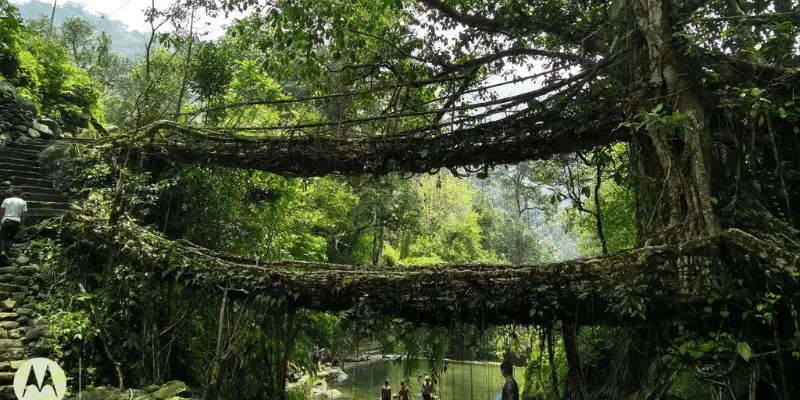
The adventure isn’t just the bridge — it’s the trek. I’ll be honest: it’s a challenge with lots of stairs and steep paths. But the moment you reach the double decker bridge, your legs forget the climb and your camera comes out.
Highlights
- Unique two-tiered living bridge grown from tree roots
- Lush forest surroundings and nature sounds
- A sense of real adventure (this isn’t just a quick walk!)
Things to Do
- Begin the trek from Tyrna village
- Stop at small waterfalls or streams along the way
- Take photos of the bridge from both levels
- Enjoy a packed lunch on the trail
Suggested Trip Plan
- Day Start: Begin from Guwahati very early (pre-dawn)
- Mid-Morning: Reach Tyrna village and start trek
- Lunch: On the trail or at a scenic rest point
- Afternoon: Explore the bridge and return trek
- Night: Stay in Cherrapunji or head back toward Guwahati
My Travel Notes & Best Time
- I think of this as a half-day or full-day adventure — not a quick visit.
- Monsoon makes the trek beautiful but slippery; decent shoes are a must.
- Bring plenty of water and snacks — there aren’t many stalls on the trail.
Mawlynnong Village
Distance From City: ~170 km from Guwahati (via Shillong and Pynursla)
Total Travel: ~6–7 hours by road (long day trip or overnight)
If nature and peace had a home, it would be Mawlynnong Village. It’s called Asia’s cleanest village for good reason — flowers line every lane, homes are spotless, and bamboo baskets hang on trees to remind everyone to keep it pristine.

But it’s not just about cleanliness. The village is surrounded by gardens, river streams, gentle hills, and a living root bridge that you can easily reach on a short walk. Every corner feels like a postcard.
Highlights
- Asia’s cleanest village with happy, welcoming locals
- Easy walking living root bridge nearby
- Sky Viewpoint with sweeping views of Bangladesh plains
Things to Do
- Take a slow walk through the village gardens
- Visit the local living root bridge at Riwai
- Climb the Sky Viewpoint tower
- Try local Khasi food at village eateries
Suggested Trip Plan
- Morning: Drive from Guwahati toward Meghalaya
- Late Morning: Arrive in Mawlynnong and explore village lanes
- Lunch: Sample local dishes with fresh produce
- Afternoon: Walk to the root bridge and view the plains
- Evening: Head back toward Shillong or stay overnight
My Travel Notes & Best Time
- I find post-monsoon to winter (Sept–Dec) a lovely time — skies are clear, and flowers bloom bright.
- Roads can be slow winding mountain routes, so start early.
- This place feels best when you take your time and soak in the calm.
Historical & Cultural Landmarks
When I travel, I love exploring places that whisper stories from the past — the spots where history meets culture and makes you feel connected to ancient lives. Around Guwahati and nearby areas within roughly 200 km, there are a few remarkable landmarks that show India’s deep heritage — from ancient temple ruins to architectural treasures that have survived centuries. Each of these sites has its own story and special charm, and I’ll walk you through the must-know details for your trip.
Krem Phyllut (Krem Puri Cave)
Distance From City: ~166 km from Guwahati Airport / ~150 km from Guwahati Railway Station (to Cherrapunji region)
Total Travel: ~4–5 hours by road to the Khasi Hills + approach trek
I was excited the first time I read about Krem Phyllut, also called Krem Puri Cave — it’s not just a cave, it’s a piece of Earth’s ancient past hiding beneath the forested hills of Mawsmai near Cherrapunji. This cave stretches over a long distance with fossil-lined corridors, echoing chambers, and sandstone passages that feel like you’ve stepped back millions of years.
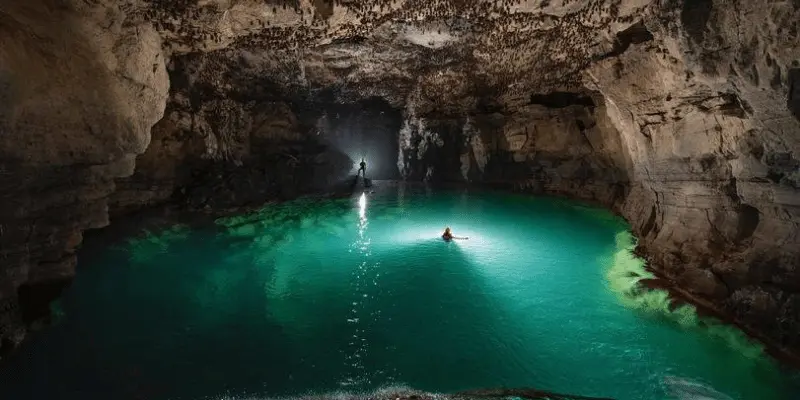
This spot doesn’t feel like a usual tourist stop — it’s for curious travelers who want to explore something truly different. It’s less about polished walkways and more about real adventure and quiet wonder as you move deeper into its cool, echoing halls.
Highlights
- Limestone cave with fossil passages and unique sandstone formations
- Multiple entrances and natural underground streams
Things to Do
- Walk through fascinating geological corridors
- Observe ancient rock formations and fossils
- Enjoy nature views around the cave area
Suggested Trip Plan
- Morning: Depart Guwahati early for the Khasi Hills
- Mid-day: Reach Mawsmai/Cherrapunji region and have lunch
- Afternoon: Explore the cave entrance areas and nearby landscape
- Evening: Stay in Cherrapunji or Shillong
My Travel Notes & Best Time
- I recommend visiting Oct–Apr when trails are dry and safer
- Wear good trekking shoes — the ground is uneven and rocky
Da Parbatia Gate
Distance From City: ~180 km from Guwahati to Tezpur, Assam
Total Travel: ~4–5 hours by road (Guwahati → Tezpur)
Da Parbatia Gate — the carved stone doorway of a long-lost temple — stands quietly near Tezpur as one of the earliest examples of sculptural art in the region. It dates back to around the 4th–6th century CE and shows the beautiful craftsmanship of the Gupta era.
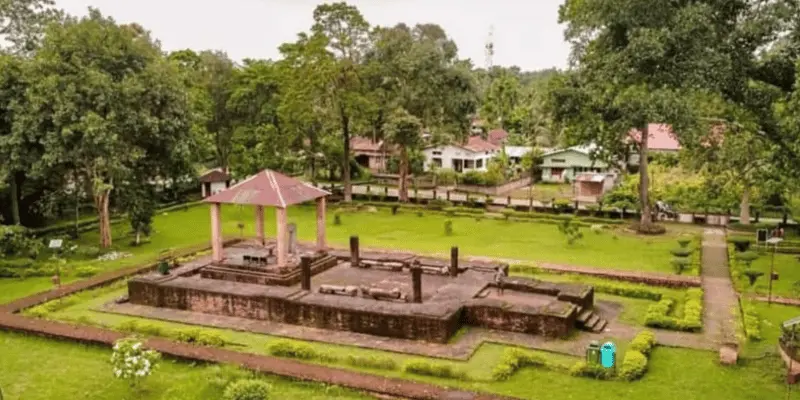
Walking up to this frame of stone, you can almost hear the echoes of old rituals. Even though the rest of the temple has long vanished, the intricate carvings of Ganga and Yamuna on the door frame make you pause and appreciate the skill of ancient artisans.
Highlights
- Gupta-era sculpted stone temple door frame
- Intricate carvings of river goddesses like Ganga and Yamuna
- Protected monument of archaeological significance
Things to Do
- Observe and photograph the detailed carvings
- Read up on the Gupta period architecture before visiting
- Walk around Tezpur to see other cultural heritage sites nearby
Suggested Trip Plan
- Morning: Drive from Guwahati to Tezpur
- Late Morning: Explore Da Parbatia Gate and surroundings
- Afternoon: Visit nearby historical sites like Agnigarh Hill or Bamuni Hills
- Evening: Enjoy views of the Brahmaputra River before heading back or staying overnight
My Travel Notes & Best Time
- Winter months (Nov–Feb) feel comfortable for exploring ruins and walking around
- I like visiting in the afternoon light — it highlights the carvings beautifully
Nartiang Monoliths
Distance From City: ~142 km from Guwahati (via Shillong)
Total Travel: ~4–5 hours by road (Guwahati → Shillong → Jowai → Nartiang)
If you are thinking of a place that makes you pause and wonder, Nartiang Monoliths is a dream place to visit. In the quiet village of Nartiang in Meghalaya’s West Jaintia Hills, a field of towering stone pillars rises from the earth like a story written in rock. These monoliths were raised centuries ago by the Jaintia chiefs and clans to honour kings, victories, and ancestors — and walking through them feels like stepping into a very old chapter of history.

It’s not just the sheer size of these stones that fascinates me — some of the tallest menhirs are said to be among the highest in the world — but also the feeling that each upright stone and flat dolmen carries a secret. You can almost imagine the festivals, markets, and celebrations that once took place here. Whether you’re a history lover or a curious traveller, this place invites slow steps and thoughtful looks.
Highlights
- One of the largest clusters of monolithic stones in Meghalaya
- Tall menhirs (upright stones) and dolmens (flat memorial slabs) erected by Jaintia clans from 1500–1835 CE
- Connection to local traditions, coronation rituals, and ancestral memory
Things to Do
- Walk through the monolith field at your own pace and feel the quiet space
- Learn about the local legend of Mar Phalyngki and the tallest monolith standing over eight metres
- Chat with village guides to hear stories about the stones and their meanings
Suggested Trip Plan
- Morning: Leave Guwahati early and drive to Shillong
- Late Morning: Continue from Shillong to Jowai and a short local lunch
- Afternoon: Reach Nartiang and explore the monolith field
- Evening: Head back to Jowai or Shillong for dinner and rest
My Travel Notes & Best Time
- I find October to April perfect — cool weather and clear skies make walking around easy and enjoyable.
- Roads wind through hills, so start early to avoid late afternoon rush.
- There’s no ticket fee, and wandering among these stones feels personal and peaceful.
Wildlife & Forest Spots
If you love watching birds, spotting wildlife, and getting lost in green forests, then the areas around Guwahati give you some truly memorable places to explore. Just a short ride from the city, these sanctuaries and wetland forests act like peaceful gateways into nature’s world — where early mornings are filled with bird calls, and slow walks in dense trees make you feel truly alive. Whether you want a quick day trip close to town or a longer adventure into deep forests, I’ve picked a few that never fail to delight.
Deepor Beel Wildlife Sanctuary
Distance From City: ~7–12 km southwest of Guwahati city centre
Total Travel: ~20–30 minutes by taxi or local transport from Guwahati
Whenever you want to see nature without going far from Guwahati, Deepor Beel is my go-to spot. This peaceful freshwater wetland is one of Assam’s most important ecological treasures and the only Ramsar-recognized wetland in the state. Its calm waters and reed-lined banks feel like a little secret world where birds gather and mist hangs low in the early morning.

As you walk along the narrow paths, you will see marsh grasses swaying, herons gliding over the water, and sometimes even tiny fish peeking near the banks. Deepor Beel isn’t just about birds — it’s alive with amphibians, reptiles, and wetland life that thrive quietly here.
Highlights
- One of Assam’s most important bird habitats with resident and migratory species
- Recognised under the Ramsar Convention for wetlands of international importance
- Easy access from Guwahati and great for short nature outings
Things to Do
- Go birdwatching for resident watery species and winter migrants
- Take a boat ride (where available) to see the beel from the water
- Enjoy a quiet walk at the edge of the wetland early morning or sunset
Suggested Trip Plan
- Morning: Leave Guwahati early and reach the beel at sunrise
- Mid-day: Explore paths and lookouts, have a picnic near a viewpoint
- Afternoon: Return for lunch or combine with a visit to a nearby nature café
My Travel Notes & Best Time
- I find October–March perfect — this is when migratory birds are most active.
- Early mornings offer the best sightings and soft light for photos.
- Wear comfortable shoes — some paths are muddy after rain.
Nongkhyllem Wildlife Sanctuary
Distance From City: ~58 km from Guwahati via NH6 and Ri-Bhoi routes
Total Travel: ~2.5–3 hours by road from Guwahati
To feel completely surrounded by forest and the calls of wild birds, Nongkhyllem Wildlife Sanctuary is a refreshing escape in Meghalaya’s Ri-Bhoi district. As soon as you drive in, the road slips into shaded forest and you can already hear birds chattering above the trees. The sanctuary’s gently rolling terrain hides everything from shy deer to colourful forest birds that make this one of my favourite wildlife spots near Guwahati.
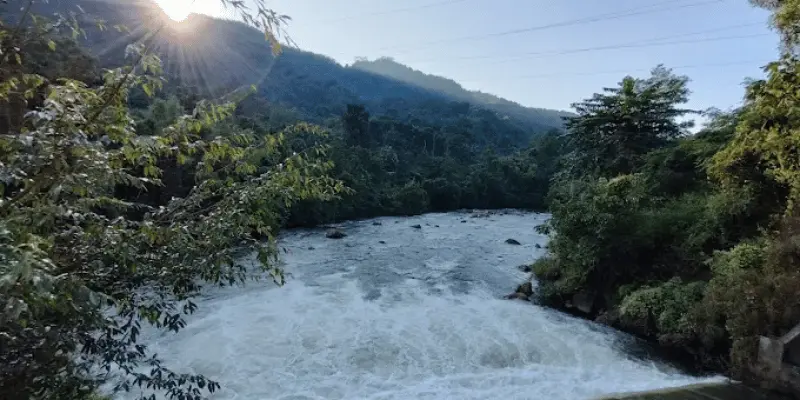
Being part of the Eastern Himalayan biodiversity region, Nongkhyllem feels wild and a little mysterious. If you like forests that smell of earth and hear the rustle of unseen animals in the undergrowth, this is a place where you’ll slow down and soak it all in.
Highlights
- Rich flora and fauna diversity within evergreen forests
- Good spot for birdwatching and nature walks
- Peaceful forest experience away from city bustle
Things to Do
- Take a guided forest walk with a local naturalist
- Try birdwatching for rare and endemic species
- Photograph forest trails, waterfalls, and lush green hills
Suggested Trip Plan
- Morning: Drive from Guwahati toward Nongpoh and reach the sanctuary
- Late Morning: Start a nature walk or look for birds
- Afternoon: Lunch in nearby local village cafés
- Early Evening: Head back to Shillong or Guwahati
My Travel Notes & Best Time
- I think October–April gives the best weather for walks and wildlife sightings.
- Carry water and snacks — there aren’t many shops inside the forest.
- A local guide really enhances spotting wildlife and understanding the forest.
Eaglenest Wildlife Sanctuary
Distance From City: ~222 km from Guwahati by road via Balemu and Bomdila routes (long drive)
Total Travel: ~5–6 hours by road (best as a multi-day wildlife trip)
If I’m planning a deeper wilderness adventure, Eaglenest Wildlife Sanctuary is at the top of my list. This vast sanctuary in Arunachal Pradesh is famous among birdwatchers and nature lovers from around the world. The forest here spreads from low foothills up into misty mountains, giving you a chance to see a huge range of wildlife, including rare birds and elusive mammals.
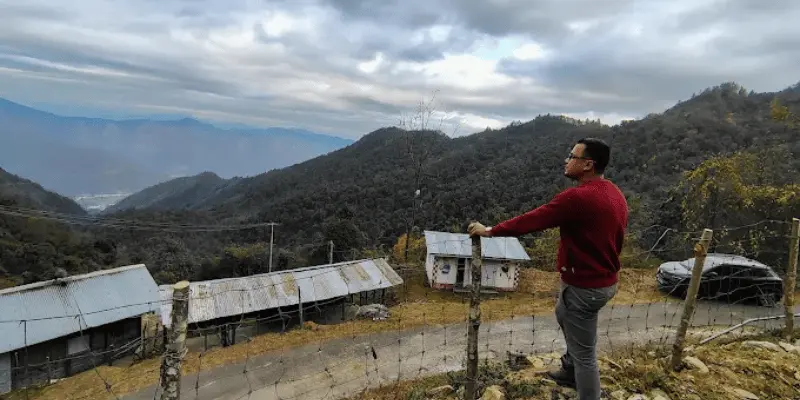
Eaglenest is home to the extraordinary Bugun liocichla, a bird discovered only in this region, and it’s why many birders make the long trip here. The sanctuary’s changing elevation means every day is different — from subtropical woodlands to cool cloud forests higher up.
Highlights
- World-renowned birdwatching paradise with many unique species
- Forests ranging from tropical to cool temperate zones
- Lush valleys, streams, and rich biodiversity throughout
Things to Do
- Go birdwatching early mornings and evenings
- Trek forest trails and explore camp sites
- Photograph butterflies, streams, and forest life
Suggested Trip Plan
- Day 1: Drive from Guwahati toward Tezpur and stay overnight
- Day 2: Continue toward Eaglenest and reach base camp
- Day 3: Explore birding spots early, then relax at camp
My Travel Notes & Best Time
- I prefer March–April and October–November for bird diversity.
- Plan at least 2–3 days — it’s a longer forest adventure, not a quick day trip.
- Accommodation options are rustic camps or lodges near the sanctuary.
Suggested Itineraries Near Guwahati Within 200 Km
Whenever I plan short trips around Guwahati, I like keeping things relaxed — not rushing, not overpacking days, and always leaving time to enjoy views, food, and little surprises along the road. Below are my favorite ready-to-use itineraries that work perfectly for weekends and short holidays.
You can follow them exactly or mix spots based on your mood.
2-Day Nature & Waterfall Trip From Guwahati
Route I Love: Guwahati → Shillong → Cherrapunji
Day 1
- Early drive from Guwahati to Shillong
- Breakfast stop with hill views
- Continue to Cherrapunji
- Visit Dainthlen Falls and nearby viewpoints
- Sunset walk around misty cliffs
Day 2
- Short nature walks
- Local lunch in Cherrapunji
- Leisurely drive back to Guwahati
Why I recommend it:
Perfect mix of cool weather, waterfalls, and easy travel without tiring yourself out.
2-Day Culture + Village Charm Trip Near Guwahati
Route I Love Most: Guwahati → Shillong → Mawlynnong
Day 1
- Drive to Shillong
- Tea break and short sightseeing
- Continue toward Mawlynnong
- Evening village walk and peaceful stay
Day 2
- Visit living root bridge nearby
- Climb the Sky Viewpoint
- Lunch with local flavors
- Return to Guwahati before sunset
Why I love this plan:
It feels slow, fresh, and heart-warming — great for families and relaxed travelers.
2-Day History + Scenic Hills Trip Near Guwahati
Route I Suggest: Guwahati → Shillong → Nartiang Monoliths
Day 1
- Morning drive to Shillong
- Lunch stop and short rest
- Continue to Nartiang village
- Explore the monolith field slowly
Day 2
- Easy village walk
- Photos among the stone pillars
- Drive back via scenic hill roads
Why it works beautifully:
You get culture, history, and hill views — all without long treks.
3-Day Adventure & Nature Lover’s Trip Plan From Guwahati
Route I’d Pick for Longer Breaks:
Guwahati → Shillong → Cherrapunji → Mawlynnong → Guwahati
Day 1
- Reach Shillong
- Sightseeing + overnight stay
Day 2
- Drive to Cherrapunji
- Waterfalls + viewpoints
- Overnight in nature
Day 3
- Morning trip to Mawlynnong
- Root bridge walk
- Return to Guwahati
Why I always recommend 3 days:
You enjoy everything calmly — no rushing, no travel stress.
What to Eat and Where to Stay Near Guwahati
When I’m on the road and exploring places near Guwahati, nothing makes me happier than discovering good food and a comfortable stay at the end of the day. This region is full of flavour — from traditional Assamese dishes to fusion and multi‑cuisine restaurants. And Guwahati itself offers a great base for stays of all kinds, whether you want comfort, budget‑friendly options, or something with local charm. In this section I’ll share my favourite dishes and places I love to rest and recharge.
Recommended Dishes
When I think of food near Guwahati and the surrounding hills, I love mixing local Assamese and Meghalaya flavours with some familiar favourites. A few staples and must‑try items are:
- Assamese Masor Tenga – A tangy fish curry that feels refreshing and light, especially with steamed rice.
- Jolpan & Pitha – Assamese breakfast delights like flattened rice with jaggery, curd, or traditional rice cakes; perfect with chai.
- Local Pork & Bamboo Shoot Dishes – Across Assam and Meghalaya, dishes with bamboo shoots and smoked pork bring a bold, smoky taste you won’t forget.
- Khasi Dishes in the Hills – If you go toward Shillong, dishes like Jadoh (hill rice with meat) and Dohneiiong (pork with sesame) are local favourites.
- Momos & Street Snacks – Everywhere from Guwahati to Shillong you’ll find juicy momos (steamed or fried) especially in evening markets or local eateries.
Here are some places I’ve enjoyed for great food near Guwahati:
- TransCurry Restaurant – A fine dining choice with rich flavours and a warm ambience.
- Guwahati Heights – Casual yet delicious local and multi‑cuisine favourites with great views.
- Bombay Brasserie – Excellent for classic Indian meals after a day of travel.
- PEPA – The Ethnic Kitchen – A lovely place for Northeast ethnic dishes and flavours.
- Mising Kitchen – A spot well‑liked locally for authentic Assamese thali and traditional plates.
- Rang De Basanti Dhaba – A hearty choice for North Indian comfort meals.
- The Maroon Room – Pan Asian Fine Dine in Guwahati – For Pan‑Asian dishes if you crave something different.
- Shahi Darbar – Well‑rated vegetarian option with tasty meals.
Always ask local foodies where they eat — that’s how you find the best momos and traditional stews on the journey.
Recommended Stays
For me, a good stay is part of the travel experience — a place to rest well and soak up the local vibe. Around Guwahati and its nearby hubs, there are options for every style and budget:
- Radisson Blu Hotel, Guwahati – A luxe and comfortable pick with great service, ideal after long drives.
- Novotel Guwahati GS Road – Stylish and modern with easy access to restaurants and roads.
- Kiranshree Grand – A very solid mid‑range option with amenities and comfort.
- The Guwahati Address – A well‑liked choice with a central location.
- NE Heritage Residency Guwahati – A budget‑friendly stay with good ratings and accessibility.
- Sachika Hotels – Another comfortable budget option, great for travellers saving on stays.
- Hotel Rajmahal and Hotel Shoolin Grand – Good value stays with simple comfort.
- The Upper Homes and Kumars Green Resort – Cozy guesthouses and resort stays if you’re on a relaxed or budget trip.
Conclusion
Exploring places near Guwahati within 200 km has always been one of my favorite travel adventures. From misty hills and cascading waterfalls to ancient monuments and peaceful villages, every spot feels like a little world of its own. What I love most is that these trips are short enough to enjoy without rushing, yet rich enough to create lasting memories.
Whether you’re chasing nature, history, culture, or just a quiet escape, the scenic spots, monoliths, living root bridges, and clean villages I shared will give you a perfect mix of adventure and calm. Pair them with local dishes like masor tenga, jadoh, and momos, and a comfortable stay in Guwahati or the nearby hills, and your trip will feel complete.
So, pack light, leave early, and keep your camera ready — there’s a world of beauty just a few hours from Guwahati waiting for you.
FAQ About Places to Visit Near Guwahati Within 200 Km
Here is the list of FAQs:
If you are looking for a quick escape, I will recommend Shillong for hills, Cherrapunji for waterfalls, Mawlynnong for the cleanest village experience, and Nartiang Monoliths for history. These places are within 150–200 km and can be enjoyed over a weekend without rushing. I will plan one or two stops per day to make it relaxing.
Most spots are easily accessible by car or taxi, which I prefer for flexibility. You can also take buses to Shillong or Tezpur, and local shared taxis or guided tours for areas like Cherrapunji, Mawlynnong, and Nartiang. Roads are scenic but sometimes winding, so starting early in the day makes the journey smoother.
From my experience, October to April is ideal — the weather is pleasant, the skies are clear, and waterfalls like Dainthlen are flowing beautifully. Monsoon months (June–September) make waterfalls dramatic but roads can get slippery, so plan carefully if you go during that time.
Absolutely! I personally feel that places like Mawlynnong, Nartiang, and Dainthlen Falls are safe and fun for families, while hill treks or root bridges give solo travelers a chance to explore nature at their own pace. Always carry snacks, water, and a map or GPS when traveling solo.
Never miss Assamese Masor Tenga, Jadoh, Bamboo Shoot with pork, and momos when you travel nearby. In villages like Mawlynnong, simple home-cooked meals give a real taste of local life. Always try the local tea and snacks during small roadside stops — they’re surprisingly good!
From my experience, 2–3 days is perfect. I will spend one day in Shillong or Cherrapunji, another for villages and waterfalls, and the last day for historical sites like Nartiang Monoliths. This keeps the trip relaxed while letting me enjoy both nature and culture.
Yes! Pick mid-range hotels or guesthouses in Shillong and Cherrapunji, which are clean, comfortable, and affordable. For a local experience, staying in eco-resorts or homestays in Mawlynnong is unforgettable. Booking early is always better, especially in peak season.





- Be Respectful
- Stay Relevant
- Stay Positive
- True Feedback
- Encourage Discussion
- Avoid Spamming
- No Fake News
- Don't Copy-Paste
- No Personal Attacks
- Be Respectful
- Stay Relevant
- Stay Positive
- True Feedback
- Encourage Discussion
- Avoid Spamming
- No Fake News
- Don't Copy-Paste
- No Personal Attacks
