Exploring the Top Tourist Places to Visit Near Satara Within 100 km
Published: 11 Mar 2026
I think Satara is a perfect starting point for small adventures because within 100 km, I can choose between misty hill stations, peaceful lakes, roaring waterfalls, historic forts, and quiet countryside villages. One day I might be standing on a scenic viewpoint in Mahabaleshwar, and the next day I could be walking through the colorful flowers of the famous Kaas Plateau. In this guide, I’m sharing the best places to visit near Satara within 100 km that I personally like to recommend to fellow travelers.

Table of Contents
Natural & Scenic Picnic Spots
Whenever you feel like escaping the city for fresh air and green views, look for peaceful picnic spots around Satara. Luckily, this region sits close to the beautiful hills of the Western Ghats, so you can easily reach some amazing nature destinations within a short drive.
What I love most about these places is the variety. One trip might take me to a cool hill station with panoramic viewpoints, while another day I might be standing on a windy plateau surrounded by giant turbines and open landscapes. If you enjoy scenic drives, calm viewpoints, and relaxed picnic-style outings like I do, these three spots are among the first places I recommend visiting near Satara.
Mahabaleshwar
Distance From City: 56 Km
Total Travel: Around 1–1.5 hours by road
Mahabaleshwar is one of the first places I suggest whenever someone asks me about a relaxing hill getaway near Satara. The drive itself feels beautiful as the road climbs into the green hills of the Western Ghats. As the air gets cooler and the forest becomes thicker, you always feel like you are entering a completely different world from the busy plains below.

What makes Mahabaleshwar special for me is the combination of viewpoints, forests, lakes, and strawberry farms. It’s a classic hill station where travelers can slow down and enjoy nature. Whether someone prefers quiet viewpoints or lively markets, this destination offers a bit of everything within a compact hill town.
Highlights
- Arthur’s Seat viewpoint with dramatic valley views
- Venna Lake boating area
- Wilson Point sunrise viewpoint
- Strawberry farms and local produce markets
- Dense evergreen forests and cool mountain climate
Things to Do
- Walk around Venna Lake and try boating
- Explore famous viewpoints across the hills
- Taste fresh strawberries and cream in season
- Take scenic photos of valleys and cliffs
- Enjoy a relaxed hill station market walk
Suggested Trip Plan
- Leave Satara early morning
- Stop at viewpoints before noon for clear views
- Spend time at Venna Lake and the local market
- Enjoy lunch in Mahabaleshwar town
- Return by evening or stay overnight for sunrise
My Travel Notes & Best Time
- I personally prefer visiting between October and June when the weather is cool and pleasant.
- Monsoon months create lush greenery, but fog sometimes hides the valley views.
- If possible, I like reaching early in the morning because the viewpoints feel calmer and the light is perfect for photos.
Panchgani
Distance From City: 48 Km
Total Travel: Around 1 hour by road
Whenever I want a quieter hill destination compared to Mahabaleshwar, Panchgani is usually my pick. The town sits peacefully on a plateau surrounded by hills, and the relaxed atmosphere makes it perfect for slow sightseeing. The drive from Satara passes through small towns and winding roads, which always makes the journey feel refreshing.
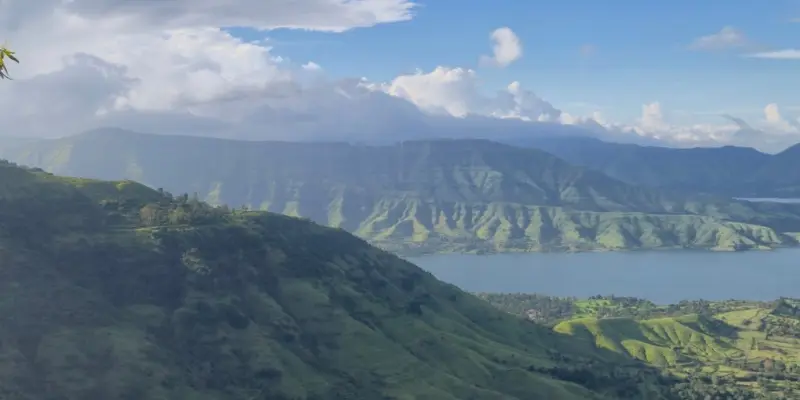
One thing I particularly like about Panchgani is its famous Table Land. This huge flat plateau offers wide open views of the surrounding valleys and hills. The place feels spacious and calm, which is why many travelers enjoy spending time here simply walking around or watching the sunset.
Highlights
- Table Land, one of the largest volcanic plateaus in Asia
- Panoramic valley viewpoints
- Colonial-era schools and heritage buildings
- Strawberry farms and local fruit markets
- Peaceful hill town atmosphere
Things to Do
- Walk across the massive Table Land plateau
- Enjoy horse riding or photography on the plateau
- Visit nearby viewpoints overlooking the Krishna Valley
- Try fresh strawberries and local snacks
- Explore quiet lanes and small cafes
Suggested Trip Plan
- Start from Satara after breakfast
- Reach Panchgani in about an hour
- Spend time exploring Table Land and viewpoints
- Visit a strawberry farm or café for lunch
- Combine the trip with Mahabaleshwar if you have extra time
My Travel Notes & Best Time
- I will recommend visiting between September and May for clear skies and comfortable weather.
- Early morning and sunset hours give the best valley views.
- Weekends can be busy, so I prefer weekday visits for a more peaceful experience.
Chalkewadi Windmill Farms
Distance From City: 28 Km
Total Travel: Around 45–60 minutes by road
Whenever you want something unique near Satara, I will recommend Chalkewadi Windmill Farms. The moment you reach this plateau, you will see hundreds of tall wind turbines spread across the hills. The landscape feels wide, open, and incredibly windy, which makes the place feel dramatic and peaceful at the same time.
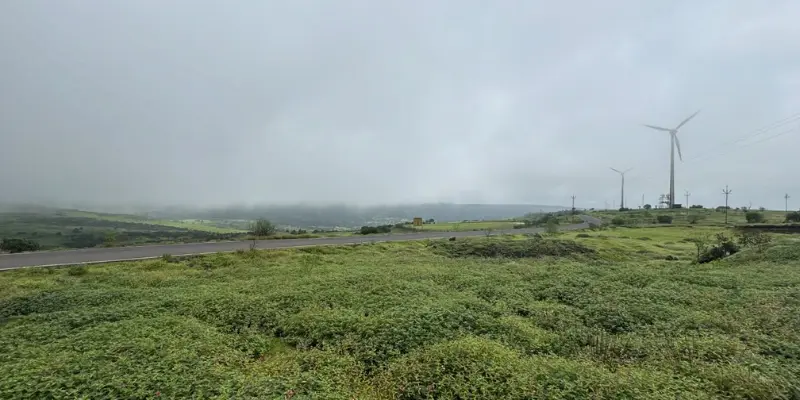
The windmill farm sits on a large plateau surrounded by green hills and valleys. The turbines were built to generate electricity using strong winds in the region, but today the scenic setting attracts many travelers as well. The drive across the plateau is especially memorable, with windmills stretching across the horizon.
Highlights
- Hundreds of giant wind turbines across the plateau
- Scenic hill landscapes and open viewpoints
- Beautiful monsoon greenery and wildflowers
- Nearby attractions like Thoseghar Waterfalls
Things to Do
- Drive along the plateau road and enjoy the windmill views
- Stop at scenic points for photography
- Visit nearby Thoseghar Waterfalls on the same trip
- Enjoy a peaceful picnic with valley views
- Watch dramatic clouds and sunsets during monsoon
Suggested Trip Plan
- Start from Satara in the morning
- Drive toward Thoseghar Waterfalls first
- Continue uphill to Chalkewadi plateau
- Spend time walking around and taking photos
- Return to Satara by sunset
My Travel Notes & Best Time
- I personally love visiting during the monsoon and just after it, when the plateau turns lush green.
- The wind here can be very strong, so carrying a light jacket is a good idea.
- Facilities are limited, so I usually carry water and snacks before starting the trip.
Historic Forts & Culture to Explore Near Satara
Whenever I travel around Satara, I like mixing nature trips with places that tell a story from the past. The region around Satara and nearby Karad has several cultural landmarks where history, spirituality, and local traditions come together. Some spots are ancient hills with caves carved into rock, while others are forts linked to the era of Chhatrapati Shivaji Maharaj.
What I love most about these places is how they combine history with scenic surroundings. One moment I might be standing where two rivers meet in a rare natural formation, and another moment I might be climbing a hill fort that once guarded important trade routes. If you enjoy discovering the cultural side of Maharashtra while traveling, these three places near Satara are definitely worth adding to your list.
Krishna Koyna Pritisangam
Distance From City: 54 Km
Total Travel: Around 1–1.5 hours by road
Whenever I plan a cultural outing near Satara, the first place that comes to my mind is the beautiful river confluence at Krishna Koyna Pritisangam. This peaceful spot sits in Karad where the Krishna River and the Koyna River meet each other in a rare T-shaped confluence. It’s quite unique because both rivers flow toward each other from opposite directions before merging into one stream.
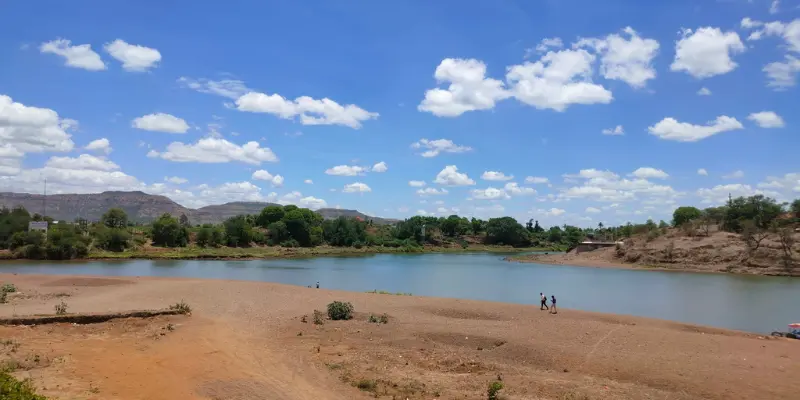
The area around the confluence has been developed into a pleasant riverside garden and cultural space. You will notice visitors walking along the ghats, offering prayers at nearby temples, or simply enjoying the calm river views. The site is also culturally important because it hosts religious gatherings and the annual Krishna Mai festival, which attracts many devotees from the surrounding region.
Highlights
- Rare T-shaped confluence of the Krishna and Koyna rivers
- Scenic riverfront ghats and landscaped gardens
- Memorial of Yashwantrao Chavan
- Cultural gatherings
Things to Do
- Walk along the riverside ghats and garden paths
- Enjoy photography at the river meeting point
- Explore Karad town and local food spots
- Relax by the river and watch sunset views
Suggested Trip Plan
- Leave Satara early morning
- Reach Karad and visit Pritisangam first
- Enjoy lunch in Karad town
- Combine the visit with Agashiv Caves or Sadashivgad
My Travel Notes & Best Time
- I personally like visiting during winter or early morning hours when the riverside atmosphere feels calm.
- The Shravan month festival can be lively if you enjoy cultural events.
- Carry drinking water if you plan to walk around the ghats for a while.
Agashiv Caves & Hill
Distance From City: 60 Km
Total Travel: Around 1.5 hours by road
If you want to explore something truly ancient near Satara, I recommend visiting the caves on Agashiv Hill. This hill stands prominently near Karad and rises high above the surrounding plains. On one side of the hill, there is a group of ancient rock-cut caves, which historians believe were created centuries ago by Buddhist monks.
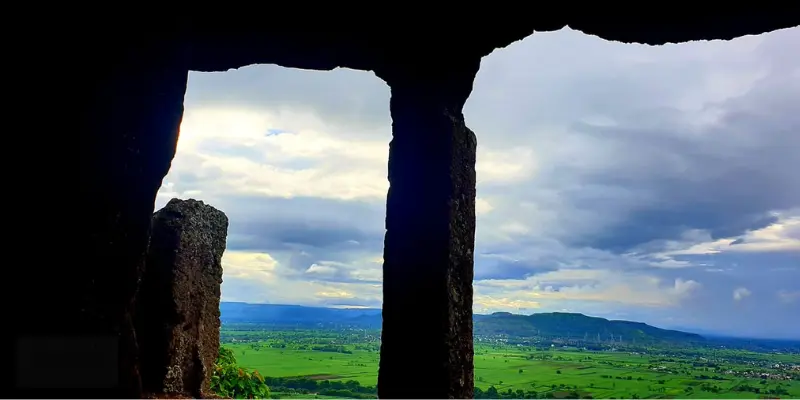
The cave complex contains around twenty-two rock-cut caves, and many of them still have carvings and symbols visible on the stone walls. One cave even has a carved Dharmachakra and lion figure, which reflects the Buddhist influence of the time. Exploring this hill always feels like stepping into a quiet archaeological site surrounded by nature and history.
Highlights
- Group of around 22 ancient rock-cut caves
- Buddhist carvings including Dharmachakra symbols
- Scenic hill overlooking Karad region
- Quiet and lesser-known heritage location
Things to Do
- Explore the cave chambers and carvings
- Walk around the hill for scenic views
- Take photos of rock architecture and landscapes
- Enjoy a peaceful cultural exploration trip
Suggested Trip Plan
- Start the trip from Satara in the morning
- Visit Krishna Koyna Pritisangam in Karad first
- Continue toward Agashiv Hill and explore the caves
- Spend some time walking around the hilltop
- Return to Satara before evening
My Travel Notes & Best Time
- I recommend visiting between October and February when the weather is comfortable for walking around the hill.
- Carry good shoes because some cave paths are uneven.
- Since this is a quiet heritage spot, always try to respect the site and avoid littering.
Fort Sadashivgad
Distance From City: 60 Km
Total Travel: Around 1.5 hours by road
If I am in the mood for exploring a historic Maratha fort near Satara, I love heading toward Sadashivgad Fort. This fort stands on a hill near Karad and is believed to be part of the chain of forts built during the time of Chhatrapati Shivaji Maharaj. The fort once served as a strategic lookout point for monitoring routes in the region.

Although much of the old fort structure is now in ruins, the hilltop still offers impressive views of the surrounding countryside. During the month of Shravan, a large fair is held here, bringing together pilgrims and visitors from nearby villages.
Highlights
- Hill fort associated with the Maratha era
- Panoramic views of Karad and surrounding plains
- Historic fort ruins and old defensive structures
Things to Do
- Trek or walk up to the hilltop fort
- Enjoy panoramic views from the fort area
- Explore the remains of old fort walls and bastions
- Experience local culture during temple festivals
Suggested Trip Plan
- Begin from Satara in the morning
- Visit Pritisangam in Karad first
- Explore Agashiv Caves nearby
- Head toward Sadashivgad for hill views and temple visit
- Return to Satara by evening
My Travel Notes & Best Time
- I find winter and post-monsoon months the best time because the weather is cooler for climbing the hill.
- Carry water since facilities on the hill are limited.
- Sunset from the hilltop can be beautiful if the sky is clear.
Wildlife & Forest Spots
Craving fresh air and natural beauty near Satara? Heading toward forested areas and wildlife zones always feels right. This region sits close to the Western Ghats, one of India’s richest biodiversity hotspots. From colorful wildflower plateaus to dramatic waterfall forests and dense protected sanctuaries, each place brings its own kind of wonder.
In this section, I’m sharing three spots where nature feels alive and special — whether it’s tiny butterflies on a plateau, the thunderous roar of a waterfall in monsoon, or the distant call of birds in a forest reserve. If you love wildlife, greenery, and open landscapes as much as I do, these places make for unforgettable outings.
Kaas Plateau
Distance From City: 24 Km
Total Travel: Around 35–45 minutes by road
Kaas Plateau is one of the most magical natural sites near Satara that I’ve ever visited. Known as the “Valley of Flowers of Maharashtra,” this high‑altitude plateau bursts into color after the monsoon rains. Between August and October, the entire landscape becomes a carpet of tiny wildflowers, with bright hues stretching as far as the eye can see.

The plateau lies within the Western Ghats and is now a UNESCO World Natural Heritage site. Walking through the fields feels like stepping into a painting — every corner has a different shade of bloom. Always plan your visit to match the peak flowering time because the sight of hundreds of flower species together is simply unforgettable.
Highlights
- Vast fields of seasonal wildflowers
- UNESCO World Natural Heritage site
- Unique biodiversity on a high plateau
- Insect and butterfly activity in abundance
- Scenic viewpoints with valley backdrops
Things to Do
- Walk the marked trails across flower zones
- Spot butterflies, bees, and small birds
- Take scenic nature photographs
- Visit nearby Kas Lake for calm waters
- Picnic in designated natural stops
Suggested Trip Plan
- Leave Satara early for a morning start
- Head straight to Kaas Plateau
- Wander on flower trails for a few hours
- Visit Kas Lake in the afternoon
- Return to Satara by evening
My Travel Notes & Best Time
- I prefer visiting August–October for peak blooms.
- Entry is regulated, so booking in advance or checking permits is wise.
- Carry water, hat, and sunscreen — the sun can be strong even with flowers around.
Thoseghar Waterfall
Distance From City: 25 Km
Total Travel: Around 40 minutes by road
Thoseghar Waterfall is a dramatic sight that I will always include in my Satara trips during monsoon. Located on the quiet edge of the Western Ghats, the waterfall plunges from a great height into a lush forested gorge. When the rains are strong, the entire area rings with the sound of rushing water.
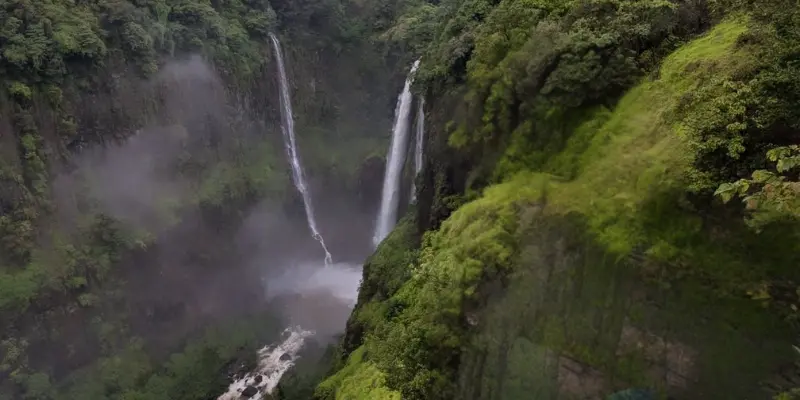
The forest around the waterfall feels alive — green and cool, fragrant with wet earth. Trail paths lead to different viewpoints, each offering a unique perspective of the falls and surrounding hills. Even on less rainy days, the place is refreshing and peaceful, perfect for nature lovers seeking a quick forest escape.
Highlights
- Majestic multi‑tier waterfall
- Verdant forest surroundings
- Multiple scenic viewpoints
- Misty monsoon atmosphere
- Nature trails leading into the greenery
Things to Do
- Hike on forest trails toward different viewpoints
- Enjoy the roar of water during peak season
- Take forest photography shots
- Have a picnic near safe spots
- Combine with Chalkewadi windmill visit
Suggested Trip Plan
- Leave Satara with packed drinks and snacks
- Arrive at Thoseghar Waterfall in the morning
- Hike on trails to get closer views
- Spend calm time in nearby forest
- Return before late afternoon
My Travel Notes & Best Time
- Monsoon (June–September) gives the most impressive waterfall flow.
- Wear sturdy shoes; trails can be slippery during rain.
- Bring a rain cover for my backpack because mist can soak gear quickly.
Koyna Wildlife Sanctuary
Distance From City: 99 Km
Total Travel: Around 2–2.5 hours by road
When you are in the mood for a deeper forest and wildlife experience, Koyna Wildlife Sanctuary never disappoints. This vast protected area lies within the Western Ghats and is home to dense forests, winding streams, and many species of birds and mammals. The sanctuary surrounds the Koyna Dam area and extends for miles across hills and valleys.
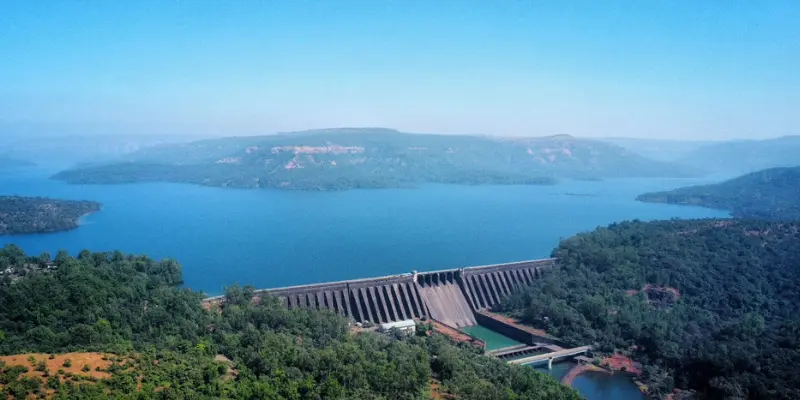
Driving into the sanctuary feels like entering a completely different world — tall trees, shaded roads, and signs of wildlife all around. If you enjoy birdwatching or hope to spot langurs, deer, or even a tiger track, this place offers plenty of natural surprises. It’s a great choice for a day of forest exploration and wildlife observation.
Highlights
- Large protected wildlife area in the Western Ghats
- Dense forests and varied terrain
- Rich birdlife including endemic species
- Possible sightings of deer, wild boar, and smaller mammals
- Scenic reservoirs and river spots nearby
Things to Do
- Forest drives through designated routes
- Birdwatching with binoculars
- Short nature walks on safe paths
- Visit nearby Koyna Dam and lake areas
- Enjoy natural picnic spots in the shade
Suggested Trip Plan
- Start early from Satara with packed breakfast
- Drive toward Koyna Wildlife Sanctuary entrance
- Enjoy forest trails and birdwatching in the morning
- Stop at Koyna Dam viewpoints in the afternoon
- Return by evening
My Travel Notes & Best Time
- I like visiting in winter (October‑February) when the weather is cool.
- Wildlife sightings are more likely in early morning or late afternoon.
- Carry reusable water and snacks; facilities inside are limited.
Suggested Itineraries for Day Trips From Satara
Whenever I plan a trip from Satara, I like having a flexible itinerary that balances nature, culture, and relaxation. Depending on how much time I have, I will pick from one‑day, two‑day, or three‑day plans. These itineraries help you make the most of the short distance to the Western Ghats, waterfalls, forts, and wildlife without feeling rushed.
Here’s how I will structure my trips:
1-Day Itinerary: Quick Nature & Scenic Escape
If I have only a single day, I will focus on nearby natural spots that are easy to reach and relaxing.
Morning:
- Start early from Satara around 7 AM.
- Head to Kaas Plateau (24 km) to enjoy the wildflowers and the scenic high plateau.
Late Morning / Afternoon:
- Drive to Thoseghar Waterfall (25 km). Spend time exploring the forested viewpoints and soaking in the monsoon roar.
- Pack a light picnic to enjoy near safe viewing areas.
Evening:
- Return to Satara and stop by Kas Lake for a short sunset stroll.
Tip: I will carry water, snacks, and a hat, because both Kaas and Thoseghar are mostly outdoors.
2-Day Itinerary: Hill Stations & Culture Mix
For a two-day getaway, I like combining hill stations with cultural experiences.
Day 1:
- Morning departure to Mahabaleshwar (56 km).
- Explore Arthur’s Seat, Wilson Point, and Venna Lake.
- Lunch in Mahabaleshwar town and try fresh strawberries.
- Evening walk around local markets or enjoy a short forest trail.
Day 2:
- Early morning visit to Panchgani (48 km) and walk across Table Land.
- Optional visit to Rajpuri Caves or nearby temples for a cultural touch.
- Return to Satara by late afternoon, stopping at scenic viewpoints en route.
Tip: I like staying overnight in Mahabaleshwar or Panchgani to fully enjoy the sunrise and avoid rush.
3-Day Itinerary: Nature, History & Wildlife Adventure
For a longer, immersive trip, I will plan a three-day escape that combines scenic spots, historic forts, and wildlife.
Day 1: Nature & Waterfalls
- Start with Kaas Plateau in the morning.
- Spend late morning at Thoseghar Waterfall.
- Afternoon drive to Chalkewadi Windmill Farms for open landscapes and photography.
Day 2: Hill Stations & Culture
- Head to Mahabaleshwar early morning for viewpoints and strawberry farms.
- Afternoon visit to Panchgani and Table Land.
- Evening exploration of small hill town cafes or sunset viewpoints.
Day 3: History & Wildlife
- Morning visit to Krishna Koyna Pritisangam for river confluence views.
- Explore Agashiv Caves & Hill for ancient rock-cut heritage.
- Late afternoon drive to Koyna Wildlife Sanctuary (99 km) for forest exploration and birdwatching.
- Return to Satara in the evening.
Tip: I will pack light for these three-day trips and plan early departures to cover more without feeling rushed. Also, a mix of hill stations, waterfalls, and cultural stops keeps the itinerary exciting and balanced.
What to Eat and Where to Stay Near Satara
Whenever I travel to a new city, one thing I always look forward to is tasting the local flavours and finding a cozy place to rest after a long day of exploring. Satara has a rich food scene rooted in classic Maharashtrian traditions, with spicy curries, crunchy street snacks, and famous local sweets you won’t easily find elsewhere. And when it comes to stays, this town and its surrounding areas offer a range of options — from comfortable city hotels to stays closer to nature.
Here’s my guide to food you must try in Satara, and friendly places where I like to stay when I visit this part of Maharashtra.
Recommended Dishes
Satara’s food feels like a warm, home‑style welcome — rich, earthy, and full of local character. There are a few dishes I will make sure to try.
The first bite I will go for is Kandi Pedhe — this sweet treat is famous here and melts in your mouth with its rich, milky flavour. Then there’s the fiery Satari Kharda Mutton, a spicy mutton dish that’s a favourite with spice lovers. Vegetarian travellers will enjoy Bharli Vangi (stuffed brinjal) and Puran Poli, a sweet flatbread often served with ghee. Street food like Misal Pav, Vada Pav, and Kothimbir Vadi keeps things exciting between meals.
Many visitors also enjoy Kolhapuri Bhadang — a crunchy puffed rice snack — and Thalipeeth, a wholesome multigrain pancake best paired with butter or curd. And if you’re here during mango season, don’t miss Amrakhand, a creamy mango‑yogurt dessert.
Recommended Stays
Finding a comfortable place to stay in Satara is easier than you might think, whether you’re just passing through on a road trip or setting up a base for exploring nearby natural and historic sites.
In Satara town itself, you’ll find a good mix of hotels and guesthouses catering to different budgets. Places like Hotel Mahendra Executive offer clean and welcoming rooms with a tasty Maharashtrian vegetarian thali served on site — perfect if you enjoy a hearty local breakfast or dinner. For travellers who prefer a familiar name with consistent food and service, Vithal Kamat (Satara branch) is a comfortable choice serving both Maharashtrian and South Indian fare with clean interiors.
For non‑veg lovers or those seeking a full spread, Hotel Maratha Darbar serves spicy meat thalis and traditional dishes that reflect the local flavour. If you’re in a snack mood or want pastries and sweets, Shivraj Bakery & Snacks in Powai Naka is ideal for fresh bites or taking home treats.
Aside from city stays, many travellers also book hotels or resorts along the highways leading to Mahabaleshwar or Panchgani — these can be lovely if you want quiet surroundings and easy access to hill station journeys. I always recommend booking in advance during peak seasons like winter and post‑monsoon.
Conclusion
So guys, we have discussed places to visit near Satara within 100 km. From scenic hill stations like Mahabaleshwar and Panchgani to breathtaking waterfalls, historic forts, wildlife sanctuaries, and unique spots like Chalkewadi Windmill Farms and Kaas Plateau, this region has something for every kind of traveler. Whether you enjoy nature, culture, or a mix of both, there’s plenty to explore in a short drive from Satara.
I hope this guide helps you plan your trips and gives you some ideas for day trips, weekend getaways, or a longer three-day adventure. Remember to pack smart, start early to catch the best views, and enjoy the local food and hospitality along the way. Happy traveling and make sure you soak in all the beauty and culture that Satara and its surroundings have to offer!
FAQs About Place to Visit Near Satara Within 100 Km
Here is the list of FAQs:
I recommend visiting beautiful spots like Kaas Plateau, Thoseghar Waterfall, Mahabaleshwar, Panchgani, and Koyna Wildlife Sanctuary. These places offer a mix of nature, scenic views, waterfalls, hill station charm, and wildlife — all within a short drive from Satara.
From my experience, monsoon (June–September) is great for waterfalls and lush landscapes, especially at Kaas and Thoseghar. Winter (October–February) brings cool weather ideal for hill stations and forest walks. Avoid summer afternoons for outdoor sightseeing unless you’re heading straight to the hills.
Yes! If you start early, you can visit both Mahabaleshwar (56 km) and Panchgani (48 km) in one day. Begin at Mahabaleshwar for the viewpoints and then head to Panchgani for Table Land and sunset views. Just plan your time so you enjoy each spot without rushing.
Absolutely. Most destinations near Satara are family‑friendly, especially scenic picnic spots like Kaas Plateau and Kas Lake. Waterfalls like Thoseghar are great in monsoon, but be cautious with small children on slippery paths. Always carry snacks, water, and basic first‑aid when traveling with my family.
If I have just one day, I will start early for Kaas Plateau, enjoy the wildflower views, then head to Thoseghar Waterfall for a refreshing forest walk. Ending the day at Kas Lake for a calm sunset gives the perfect nature escape near Satara.
Yes. Koyna Wildlife Sanctuary (around 99 km) offers forest drives and chances to spot birds, deer, and other wildlife. I find early morning or late afternoon the best times for wildlife viewing. Always follow park rules and book any required permits ahead of time.
For Kaas Plateau, entry may be regulated during peak flower season (typically Aug–Oct) to protect the ecosystem, so check ahead for permits or visitor rules. Koyna Wildlife Sanctuary also has entry guidelines and forest fees, which you should always check before your trip to avoid surprises.




- Be Respectful
- Stay Relevant
- Stay Positive
- True Feedback
- Encourage Discussion
- Avoid Spamming
- No Fake News
- Don't Copy-Paste
- No Personal Attacks
- Be Respectful
- Stay Relevant
- Stay Positive
- True Feedback
- Encourage Discussion
- Avoid Spamming
- No Fake News
- Don't Copy-Paste
- No Personal Attacks
