Exploring the Top Tourist Places Near Shirdi Within 100 km
Published: 8 Sep 2025
What many travelers don’t realize is that Shirdi is also a gateway to some incredible destinations within a short drive. From ancient caves and mighty forts to tranquil lakes and vineyards, the region around Shirdi offers far more than just a pilgrimage. Within 100 kilometers of Shirdi, you will find places that cater to every kind of traveler. In this blog, I will guide you through the best tourist places near Shirdi within 100 km. You will get practical insights like travel tips, ideal seasons, and ready-to-follow itineraries that will help you make the most of your visit.
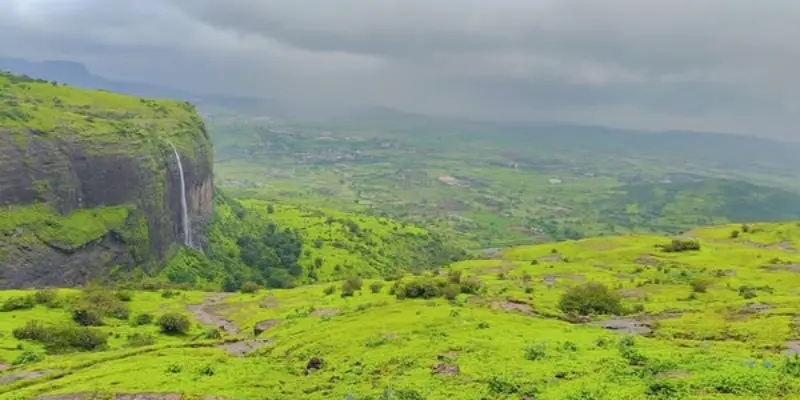
Table of Contents
Heritage & Historical Attractions
Beyond temples and shrines, the region around Shirdi is also home to some of India’s most awe-inspiring monuments, forts, and museums. These places transport you back in time, revealing the architectural brilliance, cultural exchanges, and historical grandeur of Maharashtra. Whether you are a history buff, an architecture enthusiast, or simply someone who loves exploring stories etched in stone, these destinations will leave you amazed.
Ellora Caves (100 km from Shirdi)
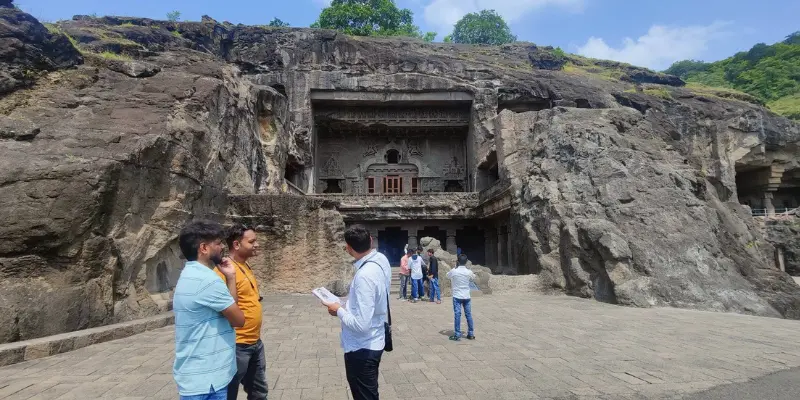
A UNESCO World Heritage Site and one of the largest rock-cut cave complexes in the world, Ellora Caves is an unmissable attraction near Shirdi. Located about 100 km away, this archaeological marvel features 34 caves carved into basalt rock, representing three major religions: Hinduism, Buddhism, and Jainism. The site is a living example of India’s rich cultural harmony and artistic mastery between the 6th and 10th centuries CE.
Historical Significance
Ellora was a thriving cultural hub under the patronage of the Rashtrakuta and Yadava dynasties. The caves reflect how artisans of different faiths coexisted and created timeless masterpieces side by side.
Key Highlights
- Buddhist Caves (Caves 1–12): Serene monasteries and prayer halls with intricately carved Bodhisattva figures.
- Jain Caves (Caves 30–34): Smaller but richly decorated with detailed carvings reflecting ascetic traditions.
- Elaborate sculptures, grand pillars, and mythical depictions are found in almost every cave.
Best Time to Visit
October to March offers pleasant weather for exploring the site. Summers can get very hot, so mornings or evenings are preferable. The caves remain closed on Tuesdays.
Travel Tips
- Distance: It is around a 2.5 – 3-hour drive by road from Shirdi. Best covered in a full-day trip combined with Daulatabad Fort.
- Wear comfortable shoes, as you will be walking a lot across uneven stone floors.
- Guided tours (or audio guides) are highly recommended to truly understand the history and symbolism of each cave.
- Carry water and light snacks, as the complex is vast and takes several hours to explore.
- Photography is allowed, so don’t miss capturing the grandeur of Kailasa Temple.
A visit to Ellora is not just sightseeing, but it’s an immersion into centuries of art, devotion, and cultural unity. For travelers starting from Shirdi, it’s the perfect way to balance spirituality with a journey through history.
Daulatabad Fort (~93 km from Shirdi)
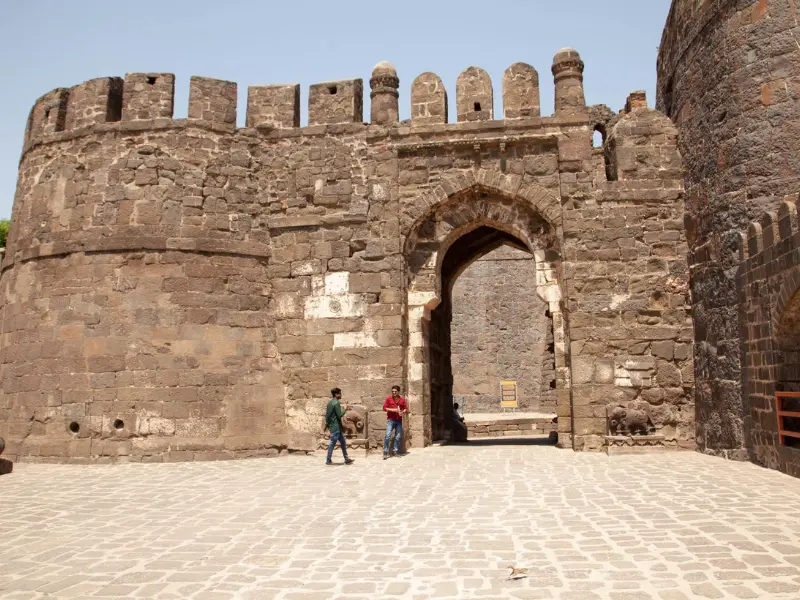
Standing tall on a conical hill near Aurangabad, Daulatabad Fort is one of India’s most impressive medieval fortresses. Located around 93 km from Shirdi, this hilltop marvel is not only a treat for history lovers but also a delight for trekkers and photographers. Known as the “Fort of Prosperity”, it has witnessed the rule of several dynasties, including the Yadavas, Khiljis, Tughlaqs, Mughals, and Marathas.
Historical Significance
Originally called Devagiri, the fort gained prominence when Sultan Muhammad bin Tughlaq briefly shifted India’s capital from Delhi to Daulatabad in the 14th century. Its strategic location and unique defense systems made it nearly impregnable for centuries.
Key Highlights
- Massive Fort Walls: The fort is surrounded by triple fortifications and towering walls that once made it one of the strongest fortresses in the Deccan.
- Chand Minar: A 30-meter-high tower inside the fort complex, built in Persian architectural style, often compared to Delhi’s Qutub Minar.
- Rock-Cut Moat & Passageways: Ingenious defense features, including a deep moat and tricky pathways designed to confuse enemies.
- Hilltop Views: After a climb of about 750 steps, visitors are rewarded with panoramic views of the surrounding landscape.
- Bats’ Cave: A narrow, pitch-dark passage once used as a defensive trap — today, it adds a thrilling experience for adventurous visitors.
Best Time to Visit
Winter months (November to February) are ideal, as the climb becomes more comfortable in cooler weather. Morning visits are best to avoid the afternoon heat.
Travel Tips
- Distance: About 2.5 hours from Shirdi by car, which is usually covered along with Ellora Caves and Grishneshwar Temple in a single trip.
- Wear sturdy shoes for the climb; carry a flashlight if you wish to explore the dark passages.
- Keep water bottles handy because the uphill trek can be tiring but rewarding.
- Entry tickets are required, and local guides are available who can narrate fascinating stories about the fort’s rulers and battles.
Daulatabad Fort is more than just a historic site; it’s a blend of adventure, engineering brilliance, and cultural heritage. Visiting this fort after exploring Shirdi’s spiritual side offers travelers a chance to experience Maharashtra’s grandeur from a completely different perspective.
Coin Museum (~112 km from Shirdi)
For travelers who enjoy history, culture, and a touch of uniqueness, the Indian Coin Museum near Anjaneri Hills in Nashik is a fascinating stop. Located about 112 km from Shirdi, it is the only museum in India dedicated exclusively to coins, making it a hidden gem for those curious about the country’s economic and artistic heritage.

Historical Significance
Established in 1980 under the Indian Institute of Research in Numismatic Studies, the museum preserves and showcases India’s rich coinage history spanning over 2,500 years. It provides insights into how trade, economy, and culture evolved in different eras.
Key Highlights
- Rare Coin Collections: Displays of coins from the ancient, medieval, and modern periods, including punch-marked coins from the 6th century BCE, Mughal-era coins, and East India Company issues.
- Artifacts & Models: Alongside coins, the museum also features terracotta artifacts, paintings, dyes, and replicas of minting machinery used across ages.
- Educational Exhibits: Panels explaining coin-making techniques, metallurgy, and the evolution of currency in India.
- Special Galleries: A dedicated section on Satavahana dynasty coins, which had their stronghold in this region.
Best Time to Visit
Open year-round, but the winter months (November to February) make travel most pleasant. Morning or early afternoon visits are ideal to combine with nearby attractions like Anjaneri Hill.
Travel Tips
- Distance: Around 2–2.5 hours from Shirdi by car.
- Entry is modestly priced, and the museum usually remains uncrowded, which makes it a quiet and informative experience.
- Allocate at least 1–2 hours if you want to explore the exhibits thoroughly.
- Great for families and children, as it’s both educational and interactive.
The Coin Museum may not be as grand as Ellora Caves or Daulatabad Fort, but it offers something equally enriching: a glimpse into India’s economic history, artistry, and cultural transitions through the story of coins. For history buffs and curious travelers, it’s a rewarding addition to a Shirdi trip.
Pandavleni Caves (~100 km from Shirdi)
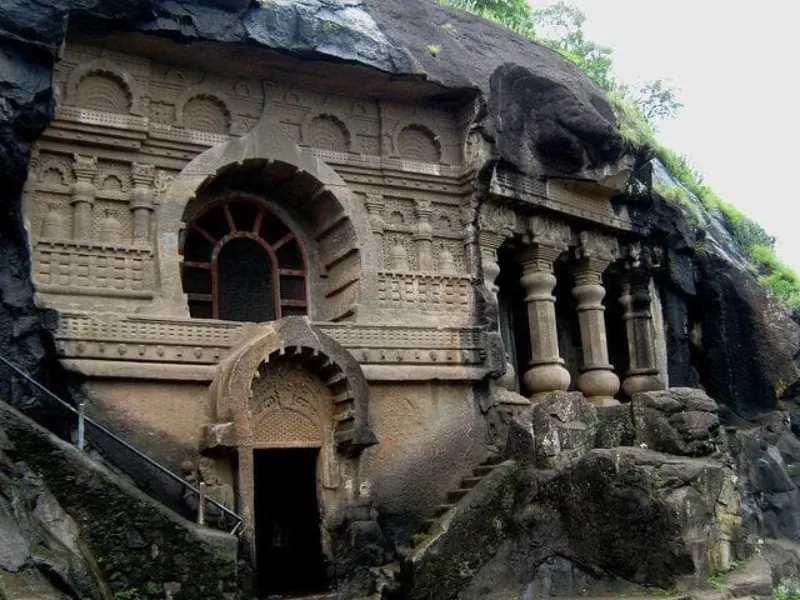
Located on a hilltop about 8 km south of Nashik city and around 100 km from Shirdi, the Pandavleni Caves (also called Trirashmi Caves) are a group of ancient Buddhist rock-cut caves dating back nearly 2,000 years. These caves are not only a marvel of architecture but also a serene retreat for those seeking a mix of history, spirituality, and scenic beauty.
Historical Significance
Built between the 1st century BCE and the 3rd century CE, the caves were carved during the rule of the Satavahana dynasty. They served as monasteries for Buddhist monks and reflected the spread of Buddhism in the Deccan region.
Key Highlights
- 24 Rock-Cut Caves: Mostly monasteries (viharas) and prayer halls (chaityas), adorned with simple yet elegant carvings.
- Buddhist Inscriptions: Many caves contain inscriptions in Brahmi script, shedding light on donors and patrons who supported their construction.
- Statues & Carvings: Idols of Buddha, Bodhisattvas, and depictions of Buddhist teachings.
- Hilltop Views: A short trek (around 20–25 minutes) leads to the caves, offering panoramic views of Nashik city and the lush landscape below.
Best Time to Visit
October to March is ideal for trekking and sightseeing. Early mornings are best to avoid the sun and enjoy the cool breeze at the hilltop.
Travel Tips
- Distance: About 2–2.5 hours from Shirdi by road.
- Wear comfortable walking shoes, as the climb involves steps and rocky paths.
- Carry water, especially during the summer months.
- Combine your visit with the Coin Museum (nearby) for a full-day outing.
The Pandavleni Caves may not be as grand as Ellora, but their simplicity, historical importance, and scenic charm make them a must-visit for travelers who want to experience the quieter side of India’s rock-cut heritage.
Nature & Scenic Destinations
After immersing yourself in the spiritual aura of Shirdi and exploring its heritage wonders, it’s time to step into the lap of nature. The areas surrounding Shirdi are blessed with rolling hills, serene lakes, cascading waterfalls, and lush green valleys that offer a refreshing change of pace. Whether you are a nature lover seeking tranquility, a photographer chasing scenic landscapes, or an adventurer eager for treks and camping, these destinations promise to rejuvenate your soul.
Bhandardara (129 km from Shirdi)
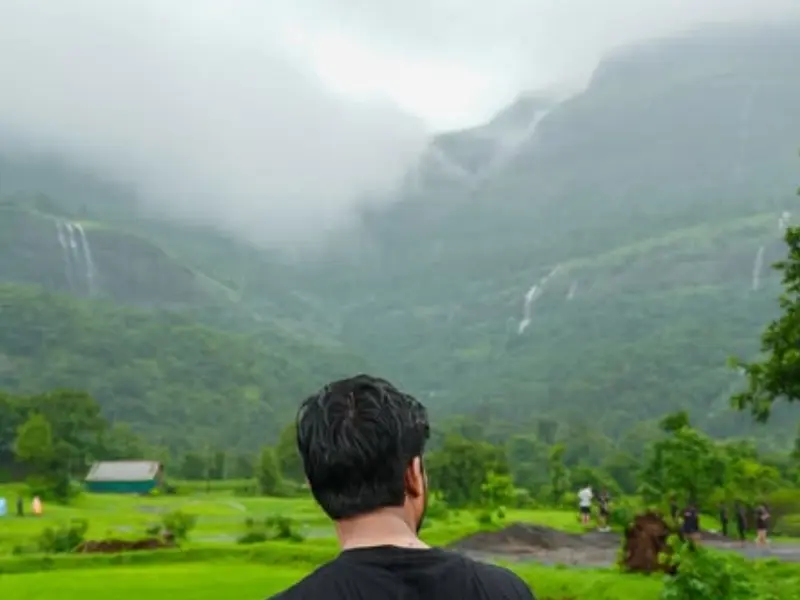
Nestled in the Sahyadri ranges, around 129 km from Shirdi, Bhandardara is a charming hill station known for its serene lakes, cascading waterfalls, and lush greenery. It’s a hidden gem in Maharashtra, offering a peaceful escape for those who want to complement their spiritual journey with nature’s tranquility.
Natural Beauty
Bhandardara is set along the banks of the Pravara River, surrounded by green valleys and misty mountains. The town’s fresh air and untouched beauty make it a favorite for weekend trips.
Key Attractions in Bhandardara
- Arthur Lake: A vast, calm reservoir formed by the Wilson Dam, perfect for boating and lakeside relaxation.
- Wilson Dam: Built in 1910, it is one of the oldest dams in India and offers scenic sunset views.
- Randha Falls: A dramatic waterfall where the Pravara River plunges nearly 170 feet into a deep gorge, most stunning during the monsoon.
- Mount Kalsubai: Maharashtra’s highest peak (5,400 ft) is located nearby, which is a paradise for trekking enthusiasts.
- Agastya Rishi Ashram: A peaceful spot associated with sage Agastya, blending mythology with natural beauty.
Activities for Travelers
- Lakeside camping under starry skies.
- Easy to moderate treks, especially to Kalsubai Peak.
- Photography of landscapes, waterfalls, and monsoon greenery.
- Leisure picnics by Arthur Lake or Randha Falls.
Best Time to Visit
The entire valley turns lush, waterfalls are in full flow, and the views are spectacular in Monsoon. Winter is pleasant and ideal for camping and trekking. Summers can be warm, but are still manageable near the lakeside.
Travel Tips
- Distance: Around 3 hours from Shirdi by road.
- Ideal for overnight stays — several budget and mid-range resorts, as well as camping options, are available.
- Carry light woolens in winter as nights can get chilly.
- Combine your trip with Igatpuri (another scenic spot en route) for a fuller experience.
Bhandardara is a nature lover’s paradise, offering everything from tranquil lakes to adventurous treks. It’s perfect for families, couples, and solo travelers who want to unwind after the spiritually immersive experience of Shirdi.
Anjaneri Hill (~118 km from Shirdi)
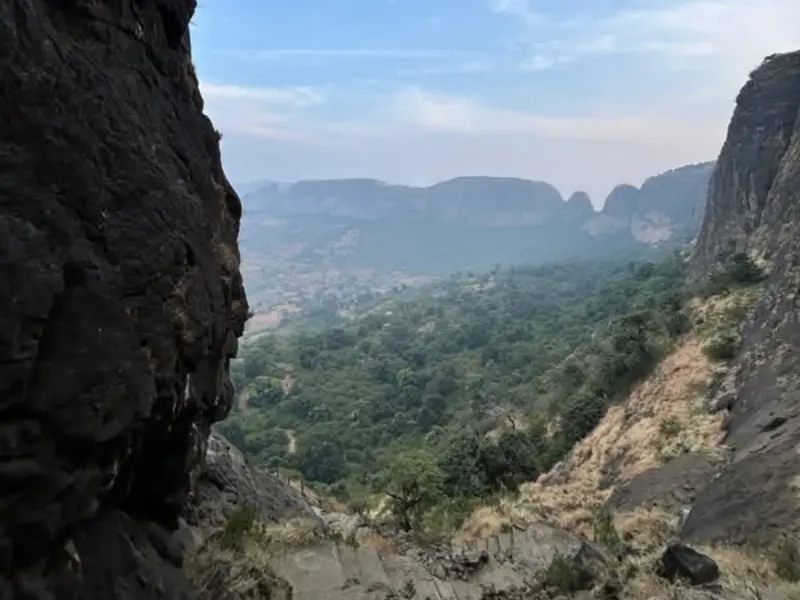
Though slightly beyond the 100 km radius (around 118 km from Shirdi, near Nashik), Anjaneri Hill is often included in extended day trips because of its mythological, spiritual, and natural significance. The hill is believed to be the birthplace of Hanuman, making it a revered site for devotees while also being popular among trekkers and history enthusiasts.
Mythological Significance
According to Hindu mythology, Anjaneri is named after Mata Anjani, the mother of Hanuman. The hill is considered sacred ground where she gave birth to the monkey god, one of the most celebrated figures in the Ramayana.
Key Highlights
- Anjaneri Fort: A hill fort situated on top, offering glimpses of ancient fortifications and caves.
- Scenic Trekking Trails: The trek to the top takes about 1.5–2 hours, leading through lush greenery, rocky steps, and beautiful views of the Western Ghats.
- Panoramic Views: At the summit, trekkers are rewarded with breathtaking vistas of Nashik and the surrounding hills.
Best Time to Visit
In Monsoon, the hill comes alive with greenery, waterfalls, and mist, which is a favorite season for trekkers. Winter brings cool weather that makes the climb comfortable and enjoyable.
Travel Tips
- Distance: ~118 km from Shirdi, around 3 hours by road. Best visited if you’re extending your trip towards Nashik.
- Moderate Trek: Suitable for beginners, but wear sturdy shoes and carry sufficient water.
- Morning Start: Begin the trek early to avoid heat and enjoy clear views.
Anjaneri Hill beautifully blends mythology, history, and natural charm. Whether you visit for its sacred connection to Lord Hanuman or for the joy of trekking through scenic landscapes, it’s a rewarding destination for those willing to go slightly beyond the 100 km mark from Shirdi.
Jayakwadi Dam & Bird Sanctuary (~100 km from Shirdi)
Located near Paithan, about 100 km from Shirdi, the Jayakwadi Dam is not just one of Maharashtra’s largest dams but also home to a thriving bird sanctuary. Spread over the backwaters of the dam, this area is a paradise for birdwatchers, photographers, and nature lovers.
About Jayakwadi Dam
Built on the Godavari River, the Jayakwadi Dam plays a vital role in irrigation and water supply to nearby regions. Its vast reservoir, known as Nath Sagar Lake, creates a serene landscape surrounded by greenery and small islands.

Bird Sanctuary Highlights
- The sanctuary spans nearly 350 sq. km with over 200 species of resident and migratory birds.
- Migratory birds from Siberia, Europe, and Africa flock here during the winter months.
- Common sightings include flamingos, cranes, storks, herons, egrets, and many species of ducks.
- The small islands within Nath Sagar Lake serve as nesting grounds, offering photographers unique opportunities.
Best Time to Visit
November to February is peak birdwatching season, when migratory birds arrive. Monsoon offers lush greenery and full water levels, though bird sightings are fewer.
Travel Tips
- Distance: Around 3–3.5 hours from Shirdi by road.
- Carry binoculars and a good zoom camera for bird photography.
- The sanctuary has basic amenities, so bring snacks and water if planning a long stay.
- Combine with Aurangabad sightseeing (like Ellora Caves) for a diverse day trip.
The Jayakwadi Dam & Bird Sanctuary is perfect for those who want to balance their Shirdi trip with a dose of wildlife, tranquility, and photography. It’s a refreshing escape that showcases how Maharashtra is as much about natural beauty as it is about spirituality.
Cultural & Leisure Escapes
While Shirdi is best known for its spiritual energy, the surrounding region also offers vibrant cultural and leisure experiences that allow travelers to explore a different side of Maharashtra. From bustling cities with ancient temples and lively bazaars to food trails, vineyards, and arts, these destinations offer a deeper connection with local life. Whether you want to shop, enjoy festivals, taste local flavors, or simply unwind in a culturally rich environment, these escapes perfectly complement your Shirdi trip.
Nashik (~93 km from Shirdi)
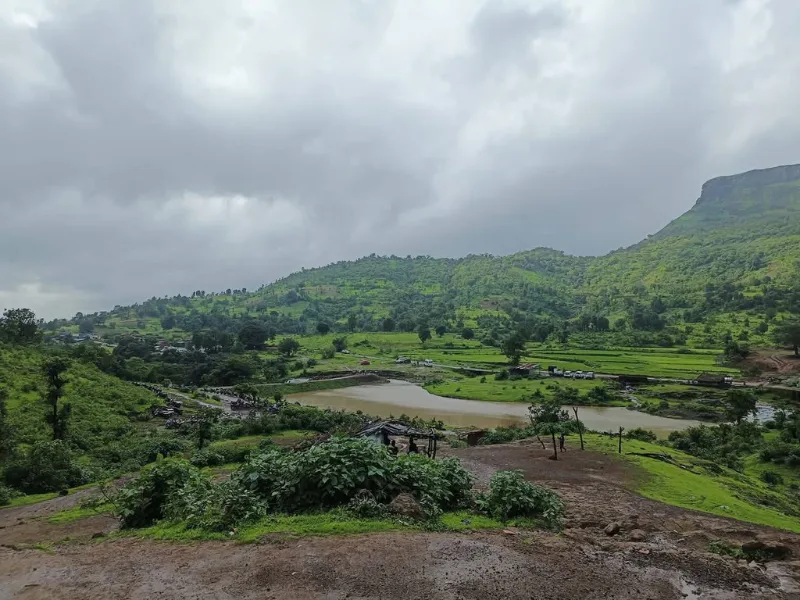
Often called the “Wine Capital of India” and one of Maharashtra’s most sacred cities, Nashik is a fascinating blend of spirituality, culture, and modern leisure. Located about 93 km from Shirdi, it serves as a gateway for both pilgrimages and urban exploration.
Spiritual Significance
Nashik is one of the four sites of the Kumbh Mela, the world’s largest religious gathering. The holy Godavari River flows through the city, and ghats along its banks are dotted with temples, offering a spiritual vibe even in the heart of the city.
Cultural Attractions
- Ramkund: A sacred bathing ghat where Lord Rama is believed to have taken a holy dip during his exile.
- Coin Museum & Pandavleni Caves: For history and culture enthusiasts, these nearby spots provide enriching insights into India’s past.
Leisure Experiences
- Sula Vineyards & Beyond: Nashik’s vineyards offer wine tasting, scenic views, and cultural events.
- Shopping: Explore local markets for handicrafts, traditional jewelry, Paithani sarees, and Nashik’s famous grapes.
- Festivals: Apart from the Kumbh Mela, Nashik celebrates Ganesh Chaturthi, Diwali, and other festivals with great zeal.
Best Time to Visit
October to February for pleasant weather and ideal city exploration. During the Kumbh Mela (every 12 years), the city comes alive with unmatched cultural vibrancy.
Travel Tips
- Distance: Around 2–2.5 hours by road from Shirdi.
- Plan your visit to include both cultural sightseeing and relaxation at the vineyards.
- Allocate at least 1–2 days if you want to fully experience Nashik’s mix of spirituality, leisure, and heritage.
Nashik stands out as a cultural hub with a modern twist where ancient temples meet vineyards and bustling bazaars. For travelers seeking a balance of spirituality and leisure, it’s one of the most rewarding escapes near Shirdi.
Aurangabad (~106 km from Shirdi)
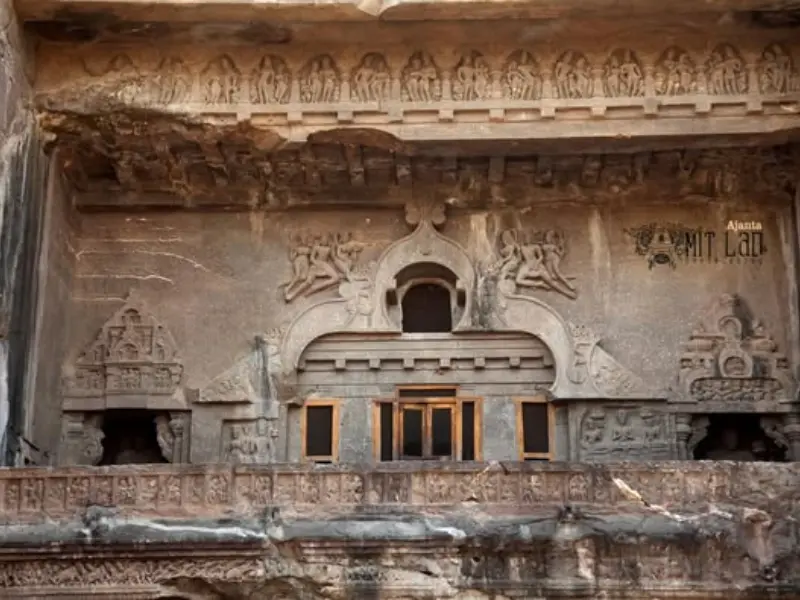
Known as the “City of Gates”, Aurangabad is a cultural treasure trove that beautifully blends Mughal history, Buddhist heritage, and vibrant Maharashtrian traditions. Located about 106 km from Shirdi, it’s slightly beyond the 100 km mark but well worth including in your itinerary if you are eager for a deeper cultural experience.
Historical & Cultural Attractions
- Bibi Ka Maqbara: Often referred to as the “Mini Taj Mahal,” this 17th-century Mughal monument was built by Emperor Aurangzeb’s son in memory of his mother. Its stunning white dome and Mughal-style gardens make it a must-visit.
- Aurangabad Caves: Rock-cut Buddhist caves dating back to the 6th–7th centuries, featuring intricate carvings and sculptures.
- Daulatabad Fort: A massive hilltop fortress showcasing clever defensive architecture and panoramic views of the Deccan plateau.
- Gates of Aurangabad: The city once had 52 gates; many still stand and reflect its medieval grandeur.
Cultural Vibe
Aurangabad is deeply influenced by Mughal and Maratha heritage, visible in its architecture, food, and festivals. Traditional arts like Himroo weaving and Paithani saree making continue to thrive here, making it a great shopping destination for authentic handicrafts.
Leisure & Culinary Experiences
Food lovers can enjoy Hyderabadi-style biryani, Mughlai delicacies, and traditional Maharashtrian thalis. Local markets are buzzing with handwoven textiles, artifacts, and souvenirs.
Best Time to Visit
October to March is ideal for exploring monuments and forts in pleasant weather. Monsoons bring a unique charm to the forts and surrounding landscapes.
Travel Tips
- Distance: About 3–3.5 hours from Shirdi by road.
- Aurangabad pairs well with Ellora Caves (30 km away) and Ajanta Caves (100 km further) for a full cultural circuit.
- Allocate at least one full day (preferably two) to experience the city’s heritage and leisure attractions.
Aurangabad is where history, culture, and leisure come alive. Its Mughal-era monuments, Buddhist caves, and vibrant markets make it an enriching escape for those who want to add depth and diversity to their Shirdi trip.
Siddharth Garden & Zoo (~104 km from Shirdi)
If you are visiting Aurangabad as part of your Shirdi trip, the Siddharth Garden & Zoo is a delightful stop, especially for families and children. Located in the heart of Aurangabad, about 104 km from Shirdi, this well-maintained garden and small zoo offer a refreshing blend of leisure, greenery, and recreation.

About Siddharth Garden
Spread over a large area, the garden is beautifully landscaped with lush lawns, colorful flowerbeds, fountains, and walking paths. It’s a popular spot for locals and tourists alike, perfect for an evening stroll or a relaxed picnic after exploring Aurangabad’s historic sites.
Zoo Highlights
The zoo houses a variety of animals, including lions, tigers, leopards, crocodiles, and different species of deer. There’s also an aviary with several colorful birds, making it interesting for kids and bird lovers. The compact size ensures that visitors can comfortably cover it within an hour.
Why Visit
It offers a family-friendly outing that balances cultural sightseeing with light recreation. The zoo provides children with an engaging experience amid all the historic and spiritual attractions. This is a good way to wind down in Aurangabad after visiting monuments like Bibi Ka Maqbara or Daulatabad Fort.
Best Time to Visit
Evenings in winter and monsoon are especially pleasant. Summers can be hot, so mornings or late afternoons are recommended.
Travel Tips
- Located about 10 minutes from Aurangabad Railway Station, making it easily accessible.
- Entry fees are modest, and the place is generally less crowded on weekdays.
- Carry water and snacks, especially if visiting with kids.
Siddharth Garden & Zoo adds a lighter, recreational touch to your Aurangabad visit, making it a perfect balance of leisure and family fun amid the historical and cultural richness of the city.
Igatpuri (~121 km from Shirdi)
Set in the lush Sahyadri ranges, Igatpuri is a charming hill town located about 121 km from Shirdi. Known for its misty mountains, tranquil lakes, and spiritual retreats, Igatpuri is an ideal destination for those who want to blend leisure, meditation, and scenic beauty into their Shirdi itinerary.

Why Igatpuri is Special
Unlike the bustling towns around, Igatpuri is calm and slow-paced, making it popular among couples, nature lovers, and spiritual seekers. It’s especially famous for the Vipassana International Academy (Dhamma Giri), one of the world’s largest meditation centers.
Key Attractions in Igatpuri
- Vipassana International Academy (Dhamma Giri): A global meditation hub where visitors can enroll in short or long meditation courses. Even if you’re not attending a program, the giant golden pagoda is worth seeing.
- Bhatsa River Valley: Scenic valley offering sweeping views of the river and green landscapes.
- Camel Valley: Famous for a seasonal waterfall that becomes a stunning sight during monsoons.
- Tringalwadi Fort: A hill fort with panoramic views, especially loved by trekkers.
- Vihigaon Waterfall: A monsoon hotspot for rappelling and adventure lovers.
Best Time to Visit
In Monsoon, the hills are lush, waterfalls are at their best, and the entire valley looks magical. Winter blends with cool weather and makes trekking and outdoor activities enjoyable.
Leisure & Cultural Touch
Igatpuri is not only about natural beauty; its meditation centers attract international travelers seeking mindfulness and inner peace. The town’s mix of local Maharashtrian food joints and cozy stays also makes it a comfortable leisure escape.
Travel Tips
- Distance: Around 3.5–4 hours from Shirdi by road.
- Ideal for an overnight trip if you want to combine trekking, sightseeing, and meditation.
- Carry rain gear during the monsoon, as the weather changes quickly in the mountains.
- Book meditation courses at Dhamma Giri in advance, as they are often in high demand.
Igatpuri is a soul-soothing getaway, offering something for everyone, like adventure for trekkers, spirituality for meditation seekers, and relaxation for leisure travelers. It’s a little farther from Shirdi, but absolutely worth the journey.
Suggested Itineraries
Exploring beyond Shirdi doesn’t have to be overwhelming. With a little planning, you can easily fit in nearby gems as part of your Shirdi day trips or weekend plans. Here are some thoughtfully crafted itineraries to help you make the most of your journey.
1-Day Historical Trip From Shirdi
If you are a history and culture enthusiast, this Shirdi to Ellora Caves itinerary is a must. Begin with the Ellora Caves (100 km), a UNESCO World Heritage Site showcasing exquisite Buddhist, Hindu, and Jain rock-cut architecture. From there, proceed to the majestic Daulatabad Fort with its hilltop views and ingenious defense systems. End your day with a lighter, family-friendly visit to Siddharth Garden & Zoo in Aurangabad before returning to Shirdi. This one-day heritage trail is a window into India’s glorious past, which is perfect for history buffs and families alike.
Weekend Getaway From Shirdi
For a refreshing weekend away from the bustle, head to Bhandardara (90–100 km), a hill station tucked into the Sahyadris. Ideal for weekend getaways near Shirdi, Bhandardara offers camping by Arthur Lake, treks up Mount Kalsubai (Maharashtra’s highest peak), and stunning sights like Randha Falls and Wilson Dam. Spend the night camping under the stars or at a lakeside resort and wake up to misty mountain views before returning to Shirdi. This itinerary is best for couples, families, and nature enthusiasts looking to recharge in the outdoors.
Wine & Culture Trail Day Outing Near Shirdi
If you are craving leisure with a cultural twist, the Wine & Culture Trail is just right. Start your day exploring Nashik’s streets and ghats, then move to Sula Vineyards (90 km) for a guided winery tour, wine tasting, and a relaxed lunch amid scenic vineyards. This itinerary is a perfect mix of spirituality, leisure, and indulgence, and makes it especially popular among younger travelers and international tourists.
Travel Tips for Exploring Around Shirdi
Planning trips around Shirdi is simple if you know how to get around and what to expect. Here are some handy tips to make your journey smoother:
- Transportation: The most convenient way to explore nearby attractions is by hiring a cab or driving yourself. Many travelers prefer booking through local taxi services for a full day. Budget-conscious visitors can use MSRTC buses or private services like AbhiBus, which connect Shirdi with Nashik, Aurangabad, and other nearby destinations.
- Accommodation: Most visitors choose to stay in Shirdi’s hotels, dharmashalas, and guesthouses, which cater to all budgets. This allows you to plan day trips from Shirdi without the hassle of shifting your base. If you are venturing further like to Bhandardara or Igatpuri, consider an overnight stay at a resort or homestay.
- Food: Don’t miss out on authentic Maharashtrian thalis, simple yet flavorful food, and snacks like poha, sabudana khichdi, and batata vada. If you are heading towards Nashik, a stop at Sula Vineyards for wine tasting and gourmet meals adds a unique flavor to your trip.
- Safety & Family Travel: The region is senior citizen-friendly, with most attractions offering easy access. Families with children will find places like Aurangabad Zoo and lakeside spots at Bhandardara engaging. Always carry drinking water, comfortable footwear, and some cash, as not all rural areas have digital payment facilities.
With thoughtful planning, your journey around Shirdi can be as seamless as it is memorable, with a blend of spirituality, history, and leisure in one trip.
Conclusion
Shirdi is far more than a sacred pilgrimage town; it’s a gateway to a treasure trove of experiences within a 100 km radius. From the spiritual calm of Shani Shingnapur and Trimbakeshwar to the awe-inspiring Ellora Caves and Daulatabad Fort, there’s something here for every kind of traveler.
Whether you are planning a quick Shirdi day trip, a weekend getaway, or weaving Shirdi into a larger Maharashtra travel itinerary, the region offers a perfect mix of faith, history, nature, and leisure. With the right planning, your journey will be seamless and memorable.
So, the next time you visit Shirdi, don’t just stop at the Sai Baba temple. Step out, explore the surroundings, and let the diverse landscapes and cultural experiences enrich your trip.
FAQs on Tourist Places Near Shirdi Within 100 km
Here are frequently asked questions:
Some of the top attractions include Shani Shingnapur, Trimbakeshwar, Ellora Caves, Bhandardara, and Nashik. Each offers a unique mix of spirituality, heritage, and scenic beauty.
Yes, absolutely. A Shirdi to Ellora Caves itinerary is one of the most popular day trips. You can also combine Ellora with Daulatabad Fort or Aurangabad Zoo for a fuller experience.
For a refreshing weekend, travelers often choose Bhandardara for camping and trekking, Igatpuri (120 km) for meditation retreats and waterfalls or Nashik for wine tours and cultural experiences.
Yes. Most attractions like temples, zoos and gardens are family friendly and senior citizens can comfortably visit with proper transport arrangements. Outdoor spots like Bhandardara may require light walking, so plan accordingly.
The ideal time is October to March, when the weather is pleasant for temple visits, sightseeing and outdoor trips. Monsoon (July–September) is also great for waterfalls and greenery, especially in places like Igatpuri and Bhandardara.






- Be Respectful
- Stay Relevant
- Stay Positive
- True Feedback
- Encourage Discussion
- Avoid Spamming
- No Fake News
- Don't Copy-Paste
- No Personal Attacks
- Be Respectful
- Stay Relevant
- Stay Positive
- True Feedback
- Encourage Discussion
- Avoid Spamming
- No Fake News
- Don't Copy-Paste
- No Personal Attacks
