Top 10 Monsoon Treks in Uttarakhand: Visit Lush Green Trails With Safety
Published: 20 Aug 2025
Uttarakhand, often called the “Land of Gods,” is one of India’s most loved trekking destinations. During the monsoon season, from July to September, its valleys and mountains transform into lush green landscapes filled with mist, gushing streams and blooming wildflowers. For trekkers, this is the time when the Himalayas reveal a softer, greener side. Monsoon treks in Uttarakhand are famous for scenic meadows, hidden waterfalls, alpine lakes and trails that feel alive with fresh energy.
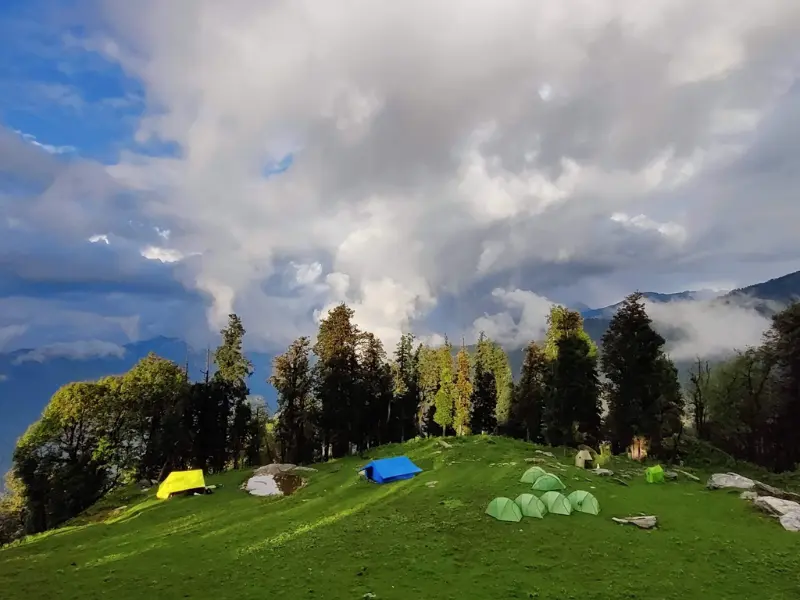
Table of Contents
Why Choose Uttarakhand for Monsoon Treks?
Uttarakhand is a Himalayan state in northern India, famous for its snow peaks, expanded rivers and endless trekking trails. During the monsoon months, especially in August and September, the region transforms into a paradise for nature lovers. The meadows turn emerald green, forests echo with bird songs and countless waterfalls appear along the trails. Unlike the dry summer or snowy winter treks, monsoon treks in Uttarakhand offer a rare chance to see the mountains dressed in their freshest, greenest form.
This season is also perfect for spotting wildflowers, especially in places like the Valley of Flowers which becomes a carpet of colors after the rains. Treks such as Har Ki Dun, Kuari Pass and Chopta–Chandrashila showcase misty landscapes, glacial streams and quiet trails with fewer crowds. For travelers looking for treks in Uttarakhand in August or September, the monsoon is a magical time to connect with nature in its rawest state.
When I first trekked in Uttarakhand during monsoon, I was amazed at how alive everything felt. The forests dripped with raindrops and every step I took splashed softly on the wet trail. There was something humbling about walking under a sky heavy with clouds, never knowing when a burst of sunlight or another shower would greet me. Yes, the leeches and slippery stones tested my patience but they also taught me to slow down and enjoy the small things—the smell of pine after rain, the chill of mountain winds and the sight of a rainbow stretching over a valley. That’s the magic you will only find here, in Uttarakhand’s monsoon trails.
Safety First – Things to Know Before You Trek
Monsoon treks in Uttarakhand are breathtaking but they also come with challenges. Rain makes the trails slippery, sudden landslides can block roads and leeches are often found in wet forests. That’s why safety should always come first when planning treks in Uttarakhand in August or September.
Here are some important safety tips to remember:
- Check the weather forecast before you begin. Heavy rain can make certain trails unsafe.
- Hire a certified guide or join a trekking group. Local guides know the routes and can handle sudden changes in weather.
- Wear sturdy trekking shoes with a good grip. Slippery stones and muddy paths are common during monsoon.
- Pack light but wisely. Carry rain gear, waterproof bags and quick-dry clothes.
- Keep a small first-aid kit and essential medicines. In remote areas, medical help can be hours away.
- Stay hydrated and eat light snacks often. The body uses extra energy while walking on wet, uneven trails.
On my own trek to Chopta–Chandrashila in September, I learned the importance of good shoes the hard way. I slipped twice on mossy rocks before realizing how much grip matters in the rain. Another time, while trekking in the Valley of Flowers, I watched clouds roll in so quickly that the whole valley disappeared into mist within minutes. It taught me that in the mountains, weather changes faster than we expect and that’s when a guide’s advice can save the day.
Top 10 Monsoon Treks in Uttarakhand
Monsoon is when Uttarakhand turns into a lush paradise. The forests shine with rain, waterfalls rush down the hills and meadows turn into endless carpets of green. Trekking here in August and September feels like walking inside a dream with clouds floating past your shoulders and trails alive with fresh energy. I’ve explored many treks during this season and each one gave me a different story—sometimes peaceful and sometimes challenging.
Here are the 10 best monsoon treks in Uttarakhand that I’d recommend to anyone who wants to experience the Himalayas in their freshest form.
1. Valley of Flowers Trek
The Valley of Flowers is a UNESCO World Heritage Site and it’s exactly what the name promises—a valley bursting with wildflowers during the monsoon. When I trekked here in August, I felt like I had stepped into a natural garden created by the clouds themselves. The trail takes about 5–6 days and is moderately easy, starting from Govindghat and passing through Ghangaria village. I remember crossing wooden bridges over streams swollen by rain, hearing the gushing water mixing with the sound of my own steps.
- Duration: 5–6 days
- Difficulty: Easy to Moderate
- Best Time: July–August
- Highlights: Wildflowers in full bloom, streams, UNESCO heritage site
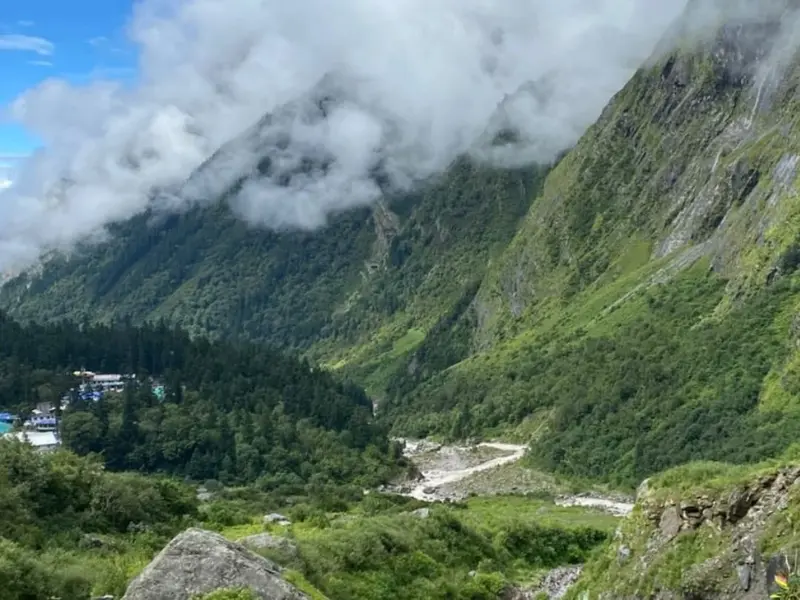
As the valley opened up, a carpet of blue, yellow, pink and red flowers stretched as far as my eyes could see. The mist rolled in and out, hiding the flowers one moment and revealing them in full bloom the next. It felt surreal like nature was playing hide and seek. For me, this trek is the crown jewel of monsoon treks in Uttarakhand.
2. Hemkund Sahib Trek
Close to the Valley of Flowers lies Hemkund Sahib, a sacred Sikh pilgrimage site, and trekking here during the rains was one of my most powerful experiences. The trail is steep and challenging which involves climbing up to 4,300 meters but the journey is as beautiful as the destination. I walked through pine forests dripping with rain, small waterfalls sliding down the rocks and colorful flowers growing by the trail. When I finally reached Hemkund Lake, the sight was mesmerizing. The crystal-clear water mirrored the cloudy sky and surrounding peaks, while the peaceful gurudwara stood by the shore. Pilgrims, drenched from the rain, still walked with determination and sang hymns that echoed across the valley. I sat there, sipping hot tea served by volunteers and felt an overwhelming sense of calm.
- Duration: 6–7 days
- Difficulty: Moderate to Challenging
- Best Time: August–September
- Highlights: Sacred Hemkund Lake, alpine flowers, spiritual vibes
3. Nag Tibba Trek
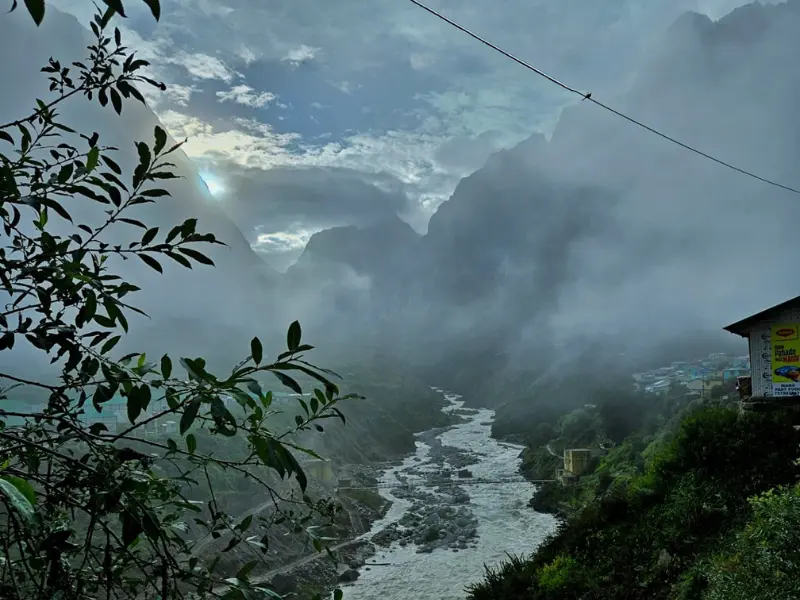
Nag Tibba is one of the easiest monsoon treks in Uttarakhand and I loved how quickly it took me into the mountains. Just a short drive from Dehradun, the trek takes 2–3 days and is perfect for beginners. I started the trail under a light drizzle, the smell of wet pine filling the air, and soon found myself in thick forests where the rain tapped softly on the leaves above. The higher I went, the mistier it became, with clouds brushing past my face as I walked. Reaching the top, I was rewarded with sweeping views of the Garhwal Himalayas—though they peeked in and out depending on the clouds. What I enjoyed most was the little chai stalls run by villagers along the way. Sitting with a steaming cup of tea, watching the rain wash over the hills, felt like the simplest yet richest travel moment.
- Duration: 2–3 days
- Difficulty: Easy
- Best Time: July–September
- Highlights: Short trek, great Himalayan views, misty forests
4. Kedarkantha Trek
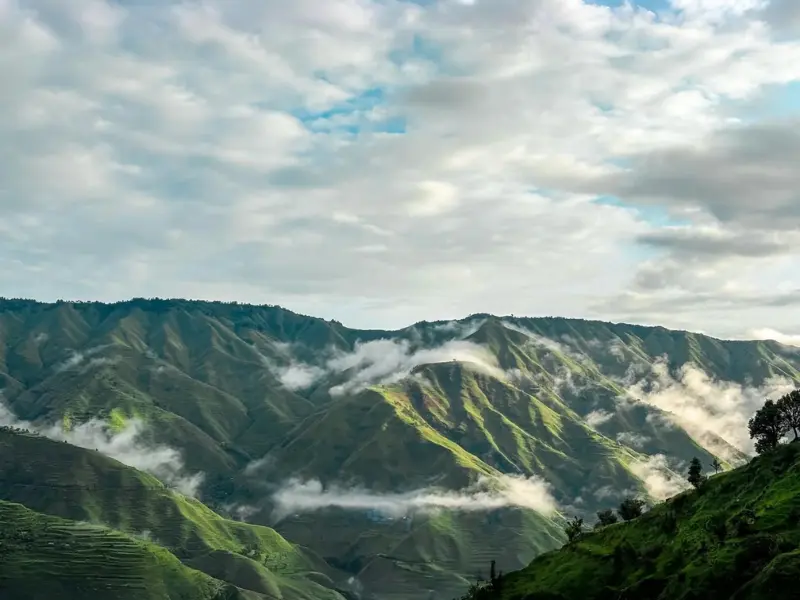
Most trekkers visit Kedarkantha in winter for the snow but I discovered its monsoon beauty and it left me speechless. The 4–5 day trek begins from Sankri village and during the rains, the entire trail transforms into a patchwork of meadows, streams and misty forests. I still remember how the pine trees dripped with raindrops, their scent mixing with the earthy smell of wet soil. As I climbed higher, small waterfalls tumbled down the rocks, surprising me at every turn. The summit day was magical and I stood at the top with clouds swirling all around me, sometimes parting to reveal green valleys and distant peaks.
- Duration: 4–5 days
- Difficulty: Easy to Moderate
- Best Time: July–September
- Highlights: Meadows, waterfalls, dramatic summit views

5. Har Ki Dun Trek
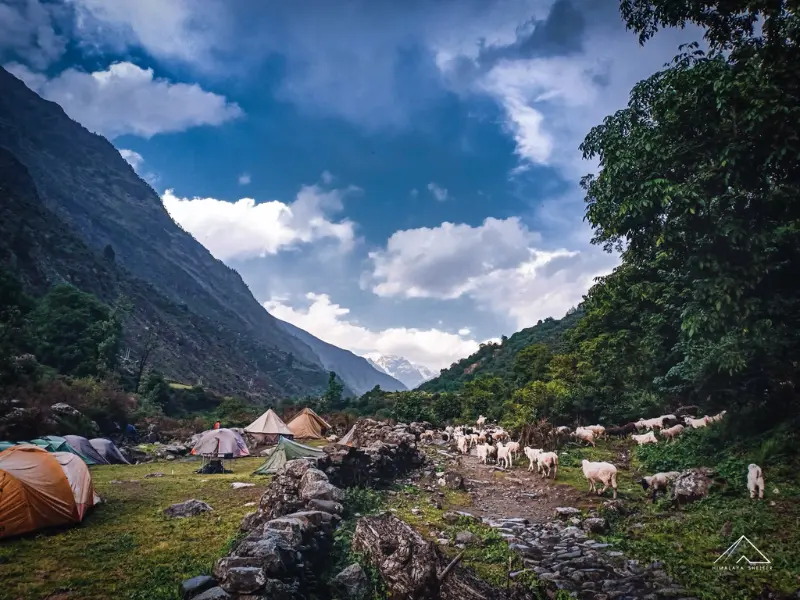
Har Ki Dun, also known as the “Valley of Gods,” gave me one of my most soulful monsoon treks. The 6–7 day journey starts from Sankri and as I walked deeper into the valley, I passed through ancient wooden villages that seemed frozen in time. The sound of rain mixed with the jingling of cowbells as locals led their herds across the meadows. Every turn revealed something new—lush pine forests, rivers swollen by rain and open grasslands glowing bright green. By the time I reached the heart of Har Ki Dun, I felt like I had stepped into a painting. The peaks hid behind clouds, only showing themselves for brief moments and that mystery made the experience even more special. Trekking here in August or September felt like walking through living history, where nature and culture exist in harmony.
- Duration: 6–7 days
- Difficulty: Moderate
- Best Time: August–September
- Highlights: Ancient villages, meadows, “Valley of Gods”
6. Chopta Chandrashila Trek
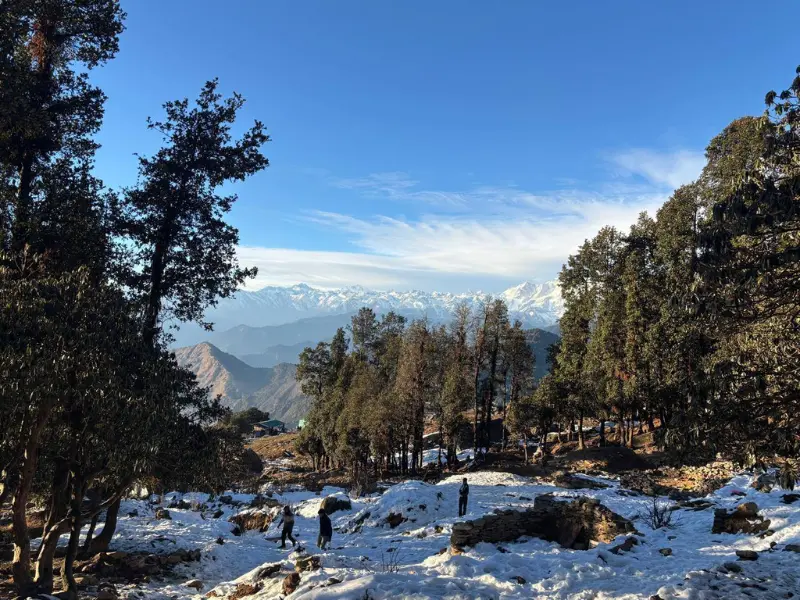
This trek stays close to my heart because of how the rain made everything look mystical. The path to Tungnath Temple was wrapped in fog and the old stone trail glistened with raindrops. I felt as though I was walking through history, each step bringing me closer to the highest Shiva temple in the world. When I climbed further to Chandrashila summit, I stood inside a moving sea of clouds, where peaks appeared and disappeared in seconds. The 3–4 day trek was short but powerful, giving me both spiritual connection and breathtaking monsoon views. The mix of temple bells, rain-soaked paths and ever-changing skies made this trek unforgettable.
- Duration: 3–4 days
- Difficulty: Easy to Moderate
- Best Time: August–September
- Highlights: Tungnath Temple, Chandrashila summit, cloud play
7. Pindari Glacier Trek
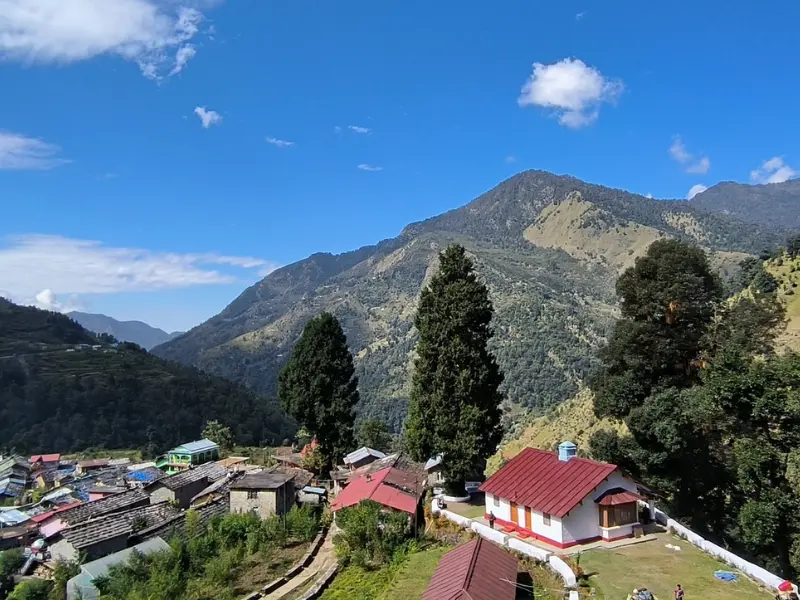
The Pindari Glacier trek felt like an epic journey into the heart of the Kumaon Himalayas. Stretching over 6–7 days, the trail took me through villages, forests and valleys before finally opening up to a massive glacier. During monsoon, the rivers roar with fresh rainwater, and the waterfalls are everywhere, tumbling down the cliffs with full force. Walking alongside these natural wonders made me feel small yet deeply alive. The climb was demanding at times but the sight of the glacier shining through mist was worth it all. I remember sitting by the roaring river with a simple packed lunch, feeling like I was dining in one of the most dramatic settings on earth.
- Duration: 6–7 days
- Difficulty: Moderate
- Best Time: August–September
- Highlights: Glacier views, roaring rivers, waterfalls
8. Dayara Bugyal Trek
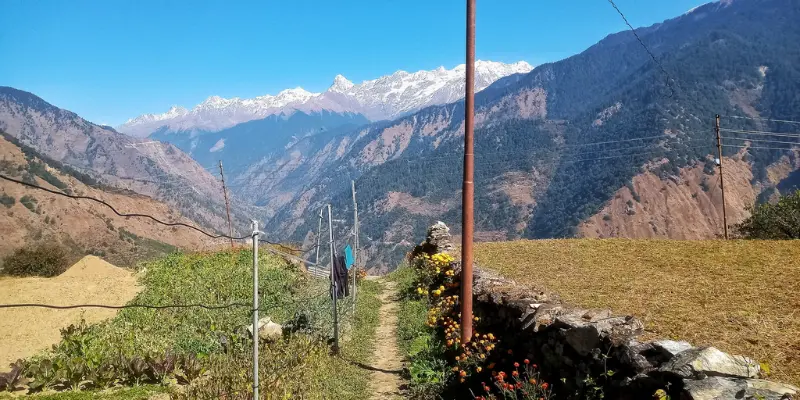
Dayara Bugyal is one of the most beautiful meadow treks and in monsoon it felt like nature had rolled out a giant green carpet just for me. The trail, which takes 4–5 days, was full of rain-fed streams and wide open grasslands where shepherds grazed their flocks. I couldn’t stop staring at the endless rolling meadows, each one brighter than the last after a fresh drizzle. Sometimes the fog would hide everything and then suddenly clear to reveal towering Himalayan peaks in the distance. Walking through that changing landscape made me feel like I was living inside a nature documentary.
- Duration: 4–5 days
- Difficulty: Easy to Moderate
- Best Time: August–September
- Highlights: Rolling meadows, Himalayan views, local shepherd culture
9. Kuari Pass Trek
Known as the Curzon Trail, Kuari Pass gave me one of my most adventurous monsoon treks. The trail stretched across oak and rhododendron forests that smelled fresh after every shower. I loved how each section felt different with dense woods, sparkling streams and then wide-open meadows. As I climbed higher, I caught glimpses of famous peaks like Nanda Devi whenever the fog parted and that sudden reveal always gave me goosebumps. The pass itself felt like a gateway to another world, surrounded by clouds that moved in waves. It was one of those treks where the journey felt just as rewarding as the destination.
- Duration: 6–7 days
- Difficulty: Moderate
- Best Time: August–September
- Highlights: Nanda Devi views, oak forests, dramatic meadows
10. Dodital Trek
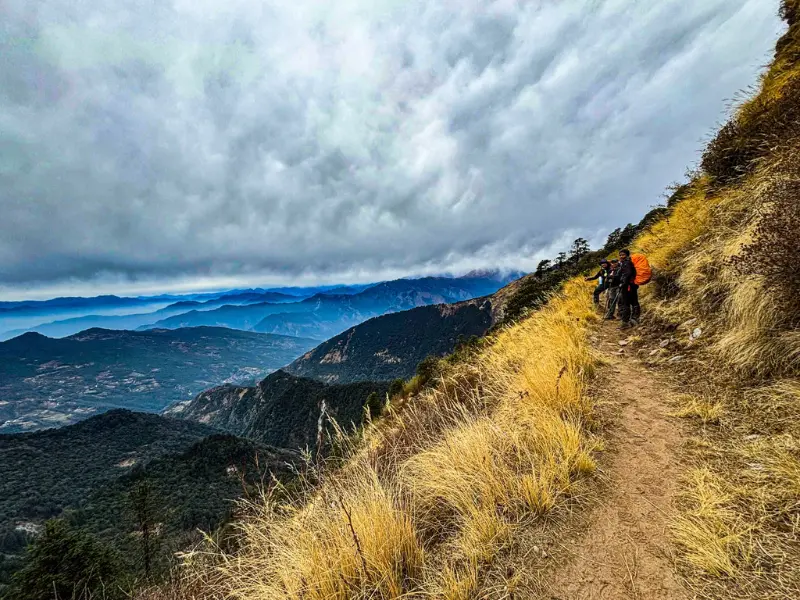
Dodital is a lake trek that feels like a calm retreat during the monsoon. The 4–5 day journey took me through forests alive with bird songs and small streams that kept me company along the trail. When I reached the lake, it looked like a mirror—reflecting pine trees swaying in the cool breeze. The atmosphere was so quiet that even raindrops falling on the water seemed like music. I sat by the lake for hours, watching the fog drift across the surface and thinking about how rare it is to find such peaceful places in today’s busy world. Dodital reminded me that trekking is not always about the hardest climbs but sometimes about finding stillness in the mountains.
- Duration: 4–5 days
- Difficulty: Easy to Moderate
- Best Time: August–September
- Highlights: Serene lake, birdlife, peaceful forests

Essential Packing List for Monsoon Treks in Uttarakhand
Trekking in the monsoon season is magical but it also comes with slippery trails, sudden rains and misty winds. Having the right gear makes all the difference. I still remember my first rainy trek in Uttarakhand where my waterproof jacket saved me when clouds burst suddenly, while a good pair of shoes kept me from slipping on mossy rocks. Here’s everything you should pack:
1. Clothing
- Quick-dry t-shirts and trek pants (avoid cotton, it stays wet longer)
- Lightweight waterproof jacket and poncho
- Full-sleeve shirts to protect from leeches and bugs
- Warm layers (nights can get chilly even in monsoon)
2. Footwear & Accessories
- Sturdy trekking shoes with strong grip (life-saving on slippery trails)
- Extra pair of floaters or sandals for river crossings
- Cotton socks + 2–3 pairs of quick-dry socks
- Gaiters to prevent leeches and mud from entering shoes
3. Rain & Weather Protection
- Large rain cover for your backpack
- Umbrella (optional but handy during short drizzles)
- Waterproof pouches for phone, wallet and electronics
- Cap or hat for sun protection during clear spells
4. Health & Safety
- Basic first aid kit (band-aids, antiseptic, crepe bandage)
- Insect repellent and salt/lime for leeches
- Prescription medicines (if any)
- Energy bars, nuts and glucose powder for quick energy
5. Trekking Essentials
- Headlamp or torch with extra batteries
- Lightweight trekking pole for balance on muddy trails
- Water bottles or hydration pack (carry purification tablets if needed)
- Map/guidebook or offline navigation app
6. Personal Comfort Items
- Small quick-dry towel
- Biodegradable wet wipes
- Plastic bags to separate wet and dry clothes
- Lightweight sleeping bag liner (for added warmth and hygiene)
Best Time for Monsoon Treks in Uttarakhand
The best time to enjoy monsoon treks in Uttarakhand is August and September. These months bring out the region’s true beauty — lush green valleys, blooming flowers and clear skies after the showers. Trails open up with better visibility and make the views of snow peaks and meadows unforgettable.
July, on the other hand, receives the heaviest rainfall. While the forests look dreamy, the trails can turn slippery and risky with chances of landslides. That’s why most trekkers, including me, prefer waiting until the rain slows down.
The ideal treks during this season usually last 4–7 days. This duration gives you enough time to walk through misty forests, cross streams and soak in the beauty without rushing. Whether it’s Valley of Flowers or Har Ki Dun, timing your trek well ensures a safe and magical experience.
Conclusion
Every time I set foot on a monsoon trail in Uttarakhand, I feel like I’m stepping into a painting of fresh greenery, clouds rolling over valleys and streams singing by the side. These treks are not just walks through the mountains; they are journeys that connect us with nature in its purest form.
If you plan your trip around August and September, pack wisely and keep safety in mind, you will enjoy a perfect balance of adventure and peace. From the colorful carpets of the Valley of Flowers to the quiet charm of Har Ki Dun, every trek has its own story to tell.
So, are you ready to tie your laces, breathe in the mountain mist and explore these lush green trails? The monsoon in Uttarakhand is waiting to surprise you at every step.
FAQs on Monsoon Treks in Uttarakhand
Here are frequently asked questions about Monsoon Treks in Tourist State of India, The Uttarakhand:
Yes, monsoon treks in Uttarakhand are safe if you choose the right trails, travel with guides and stay updated on weather reports. August and September are considered safer months compared to July, as the rainfall is lighter and visibility is better.
For beginners, Valley of Flowers, Dayara Bugyal and Chopta–Tungnath are great choices. These trails are moderate in difficulty, have well-marked paths and reward you with stunning greenery and easy accessibility.
The best time is August to September, when the heavy rains of July ease, the valleys bloom with flowers and trails are safer to walk. Many 4–7 day treks are perfect during this window.
Carry a good quality rain jacket, quick-dry clothes, waterproof shoes, a sturdy backpack cover and trekking poles for slippery paths. Don’t forget essentials like insect repellent, extra socks and a torch.
Yes, international travelers are welcome on monsoon treks. Many tour operators provide guides, permits and gear rental. Just make sure to book in advance, carry travel insurance and check visa requirements before planning.
Treks like Valley of Flowers, Har Ki Dun, Kuari Pass and Pindari Glacier are most popular in August and September. These trails are lush, less risky and offer the best mountain views after the rains.


- Be Respectful
- Stay Relevant
- Stay Positive
- True Feedback
- Encourage Discussion
- Avoid Spamming
- No Fake News
- Don't Copy-Paste
- No Personal Attacks
- Be Respectful
- Stay Relevant
- Stay Positive
- True Feedback
- Encourage Discussion
- Avoid Spamming
- No Fake News
- Don't Copy-Paste
- No Personal Attacks
